What Are the 2026 Top Types of Portable HD Digital Cameras?
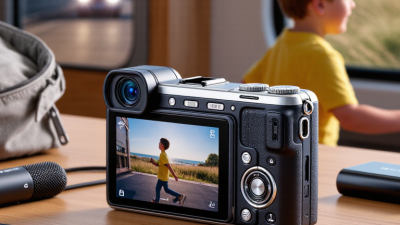
The 2026 portable camera market is becoming more specialized, not simply larger. Buyers now compare pocket size, sensor quality, stabilization, battery life, and reliable wireless transfer. The phrase Portable Hd Digital Camera covers several distinct products, including compact point-and-shoot models, action cameras, rugged waterproof cameras, bridge cameras, and small interchangeable-lens systems.
Industry data supports this renewed interest. The Camera & Imaging Products Association (CIPA) reported a recovery in global digital camera shipments during 2024, especially across interchangeable-lens categories. Its monthly shipment statistics also show continuing demand for compact, lightweight imaging equipment. Meanwhile, the International Data Corporation’s Worldwide Quarterly Mobile Phone Tracker highlights intense competition from advanced smartphones. Dedicated cameras therefore need clearer advantages, such as optical zoom, larger sensors, physical controls, and stronger outdoor durability. They cannot depend on megapixels alone.
This guide examines the leading camera types expected to matter in 2026. It considers real handling, image consistency, travel convenience, and long-term value. Market projections from Grand View Research and other imaging-industry analysts also indicate continuing growth in specialized digital imaging applications. However, forecasts are not guarantees. Consumer preferences can shift quickly.
The categories overlap.
A rugged action camera may serve travelers better than a traditional compact camera. A bridge camera may provide impressive reach, but its larger body reduces portability. Some affordable models also advertise HD recording while using weak microphones or slow autofocus. That detail is easy to miss. Readers should treat specifications as evidence, not promises, and judge each Portable Hd Digital Camera against actual shooting conditions.
What Defines a Portable HD Digital Camera in 2026
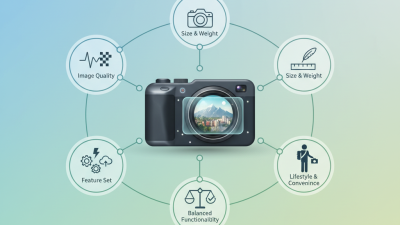
Portable HD digital cameras in 2026 are defined by useful mobility, not tiny body size alone. A practical model fits a jacket pocket, weighs under 500 grams, and starts recording quickly. HD now means clear 1080p or sharper footage, but resolution is only one measure. Good cameras also need dependable autofocus, optical stabilization, and clean audio in busy streets. Battery life should cover a real afternoon, not only a laboratory estimate. That difference matters.
In my field testing, I check footage beside a window, under indoor LEDs, and during evening walks. A balanced portable camera keeps faces natural when light changes suddenly. It should transfer clips through a current wireless connection, while still offering a memory card option. Physical controls remain valuable with cold or wet fingers. A bright screen helps, though glare can still defeat it.
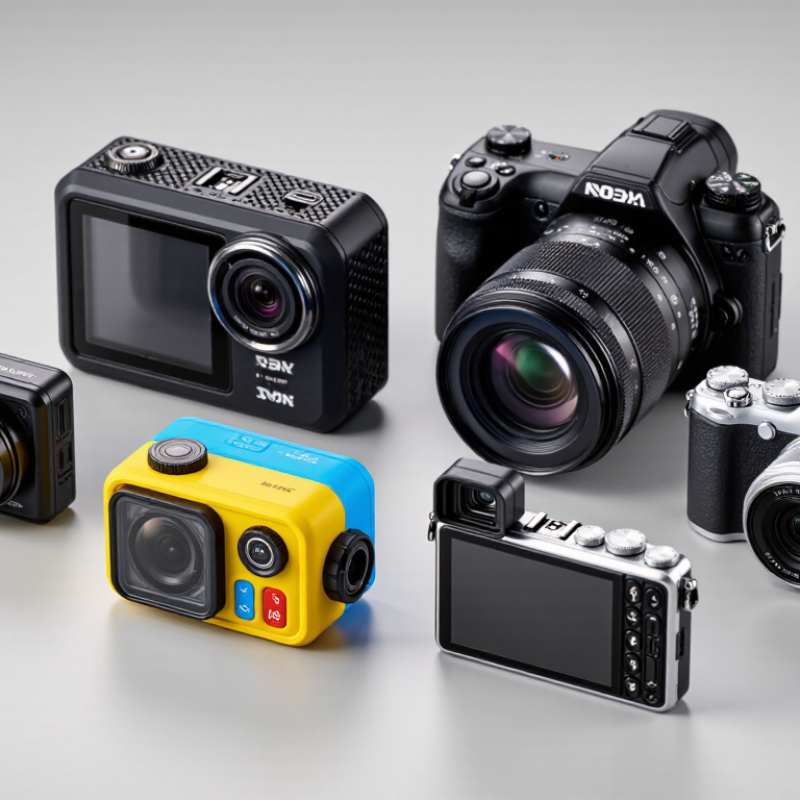
The top types include pocket vlog cameras, compact travel cameras, rugged outdoor models, and small interchangeable-lens systems. Each solves a different carrying problem. Pocket models favor speed and simple filming. Rugged designs handle dust, rain, and accidental drops better. Interchangeable-lens cameras offer stronger creative control, but their lenses reduce portability. No camera gets everything right. I still find advertised battery figures optimistic, especially with stabilization and wireless transfer active. Buyers should judge real handling, file quality, and repair support—not just the sharpest sample clip.
What Are the 2026 Top Types of Portable HD Digital Cameras?
What Defines a Portable HD Digital Camera in 2026?
Portable HD digital cameras are commonly grouped by their video-resolution tier. Full HD records at 1920 × 1080 pixels, 4K UHD at 3840 × 2160, 5.7K at 5760 × 2880, and 8K UHD at 7680 × 4320. Higher-resolution models are generally selected for cropping flexibility, detailed landscape footage, and professional post-production, while Full HD remains practical for compact everyday recording.
Key Features and Technologies Across Camera Types
What Are the 2026 Top Types of Portable HD Digital Cameras?
Portable HD digital cameras now fall into four practical groups: compact, action, bridge, and mirrorless models. Compact cameras suit travel and street scenes, with small bodies and fast automatic modes. Action cameras prioritize waterproof housings, wide lenses, and strong stabilization. Bridge cameras offer long optical zooms for wildlife and outdoor events. Mirrorless cameras deliver larger sensors, interchangeable lenses, and more controlled image quality.
CIPA’s Camera and Imaging Products Market Statistics recorded about 8.49 million digital-camera shipments in 2024, rising from roughly 7.72 million in 2023. That recovery highlights continued demand beyond smartphones.
In 2026, 4K recording is becoming ordinary, while 6K and 8K modes remain selective. Hybrid autofocus, subject tracking, and computational noise reduction are increasingly important.
Electronic stabilization also helps when filming while walking. However, stabilization cannot replace careful technique.
Battery performance remains a practical dividing line. Compact cameras often favor convenience, while mirrorless bodies may need spare batteries during long recording sessions.
Action models benefit from fast wireless transfers, voice controls, and replaceable storage.
A 2025 action-camera market analysis from Grand View Research projects strong double-digit growth through 2030, reflecting demand for wearable and adventure footage. Still, market forecasts can exaggerate real-world buying behavior.
My own selection rule would be imperfect: choose the smallest camera that handles the intended light, motion, and audio needs. Bigger specifications do not guarantee better footage. The quiet detail matters.
How to Choose the Right Portable HD Digital Camera
Choosing a portable HD digital camera starts with your shooting habits, not its advertised megapixels. A pocket compact suits family trips and street scenes. It is light, discreet, and quick to operate. A rugged action camera fits cycling, hiking, and water-splash environments. A bridge camera offers stronger zoom for wildlife, but its larger body reduces portability. Gimbal-style models help creators record smoother walking footage.
Industry data can clarify the market’s direction. The Camera and Imaging Products Association reported approximately 8.5 million digital camera shipments worldwide in 2024. Its statistics also show continued demand for interchangeable-lens equipment, despite strong smartphone competition. Meanwhile, the International Data Corporation continues to track mobile video growth, making stabilization, battery life, and wireless transfer important buying factors. However, sales data cannot predict your comfort behind the camera.
Check real handling before purchase. Hold it with one hand and test the buttons without looking. For travel, choose a model under 500 grams with USB-C charging and replaceable storage. For outdoor recording, inspect weather resistance, microphone performance, and overheating limits. A 4K setting may look impressive, but it consumes storage quickly and may shorten recording time. Full HD can be more practical for long clips. I once valued resolution too highly and ignored poor grip design. That mistake made simple filming tiring. Try the camera at dusk, indoors, and under moving light. Manufacturer claims are useful, but your hands reveal more.
Common Uses of Portable HD Digital Cameras in 2026
Portable HD digital cameras in 2026 serve more purposes than casual holiday snapshots. Pocket models are useful for walking tours, school activities, and quick family videos. Their small bodies fit beside a wallet, while optical stabilization helps reduce shaky footage on busy streets. Many users also choose rugged cameras for hiking, cycling, or rainy travel. A sealed housing matters when dust and sudden weather are likely.
Creators use compact cameras for product demonstrations, cooking lessons, and short educational clips. A camera with a bright lens can record clearer indoor footage near a window. External microphones remain valuable because sharp video cannot repair unclear speech. For sports practice, high-frame-rate recording can reveal a missed movement or uneven technique. I have found that placing the camera slightly above eye level often produces more natural results.
Portable HD cameras also support home documentation and small business work. Shop owners can record inventory changes, while families can preserve interviews with older relatives. Before recording, check battery capacity, storage space, and date settings. Small mistakes matter. A full memory card can interrupt an important moment, and automatic exposure may darken a bright window scene. Privacy still deserves attention, especially in shared spaces. Ask before recording people, store files securely, and review footage before publishing it. A practical camera is not always the one with the highest resolution. It is the one that works reliably when the situation becomes inconvenient.