What is Smoke Stabilization and How Does it Work?
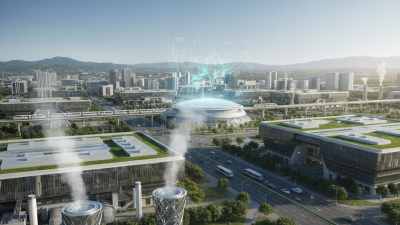
Smoke Stabilization is a vital process that enhances air quality. It effectively reduces harmful emissions from combustion sources. Understanding this concept is crucial for both environmental protection and public health.
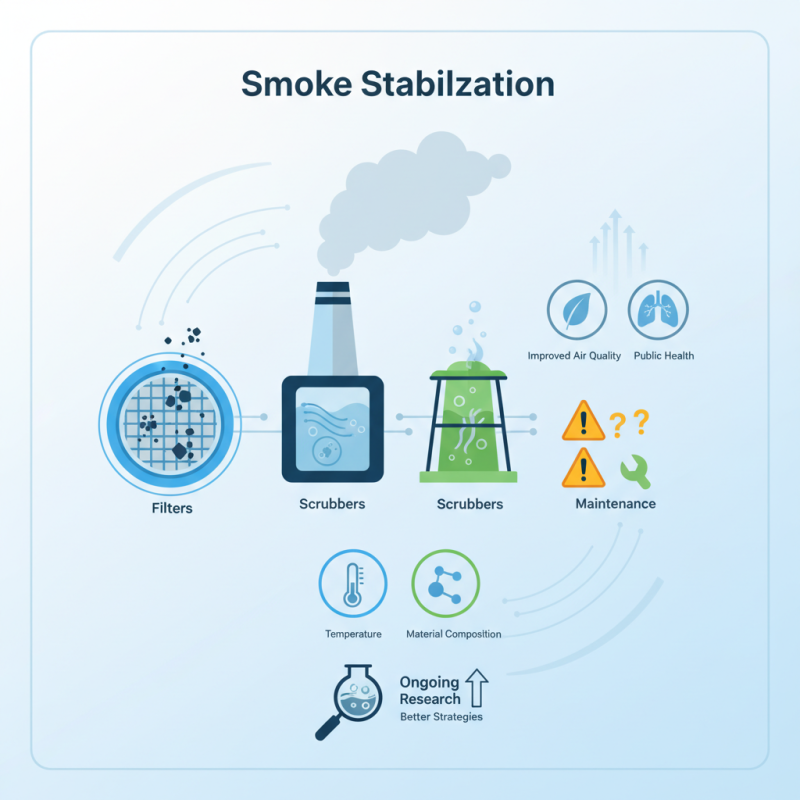
The principle of Smoke Stabilization relies on various technologies. These include filters and scrubbers designed to trap particulates and gases. Such systems play a key role in mitigating pollution. However, the efficiency of these methods can vary. Regular maintenance and proper usage are essential for optimal performance.
Effective Smoke Stabilization is not without its challenges. Some methods might lead to unexpected byproducts. Factors like temperature and material composition influence results. Ongoing research is necessary to improve these techniques. A deeper comprehension of Smoke Stabilization can lead to better strategies for reducing air pollution.
What is Smoke Stabilization?
Smoke stabilization refers to the processes designed to reduce and control smoke produced during combustion. Understanding its fundamentals is vital for industries where smoke has significant environmental and health implications. The goal is to minimize harmful emissions and improve air quality.
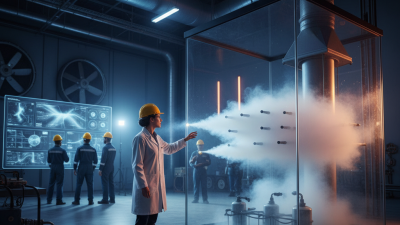
In practice, smoke stabilization involves various techniques. These may include advanced filtration systems, chemical additives, or thermal treatment methods. Each method aims to capture particulates and harmful compounds before they disperse into the atmosphere. However, the effectiveness of these techniques can vary. Factors such as temperature, fuel type, and combustion efficiency play crucial roles in determining outcomes.
Despite advancements, challenges remain. Not all smoke stabilization methods guarantee complete toxicity reduction. Additionally, the implementation of these technologies can be costly and complex. Industries must balance the need for air quality improvements with economic viability. Reflecting on these issues helps inform future developments in smoke control methods.
What is Smoke Stabilization and How Does it Work?
| Dimension |
Description |
| Definition |
Process of controlling and reducing smoke emissions from combustion sources. |
| Purpose |
To improve air quality and reduce health hazards associated with smoke. |
| Techniques |
Methods include filtration, chemical treatments, and modifications to combustion processes. |
| Benefits |
Reduces pollutant release, enhances visibility, and mitigates health risks. |
| Applications |
Used in industrial settings, wildland fire management, and residential heating systems. |
The Science Behind Smoke Formation
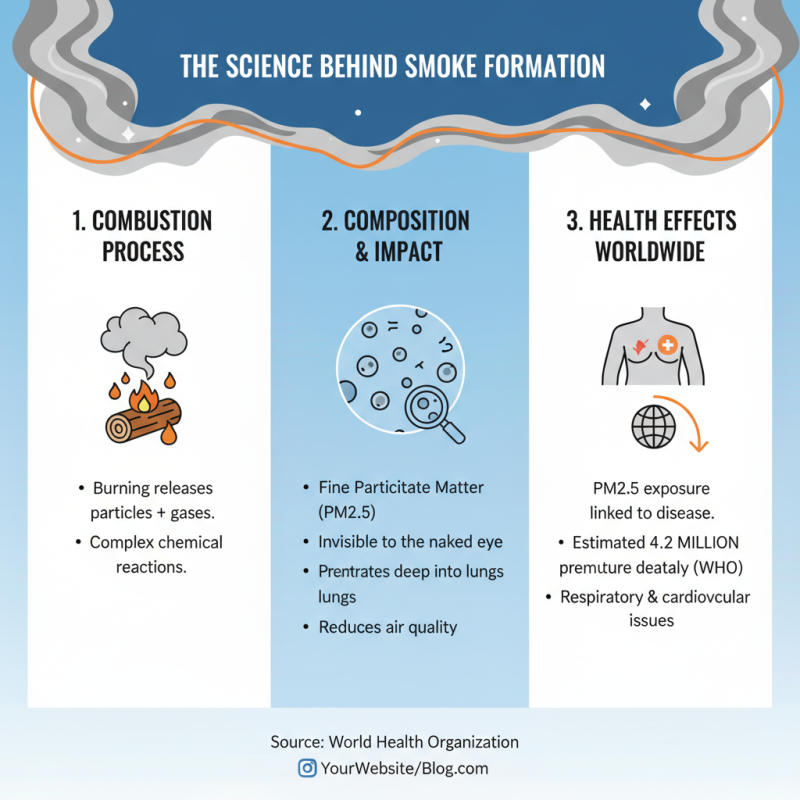
Smoke formation is a complex process influenced by various factors. It involves combustion, which results in particles and gases that can impact air quality. Research shows that fine particulate matter (PM2.5) from smoke may have detrimental effects on health. The World Health Organization estimates that PM2.5 exposure leads to approximately 4.2 million premature deaths annually worldwide.
The science behind smoke composition reveals that combustion produces not just ash, but also volatile organic compounds (VOCs). VOCs contribute to ground-level ozone formation, creating smog in urban areas. According to the U.S. Environmental Protection Agency, smoke from wildfires can increase ground-level ozone by up to 25%. The relationship between smoke and its byproducts highlights a concerning chain of environmental events that require attention.
Understanding smoke stabilization involves controlling these emissions. Effective methods include creating barriers and improving combustion efficiency. However, reflecting on current practices, many industries still overlook the importance of smoke management. Addressing these issues is crucial for reducing harmful environmental effects. The need for continuous refinement in smoke control techniques remains a critical focus, as existing strategies often do not fully mitigate the risks associated with smoke pollution.
Methods of Smoke Stabilization
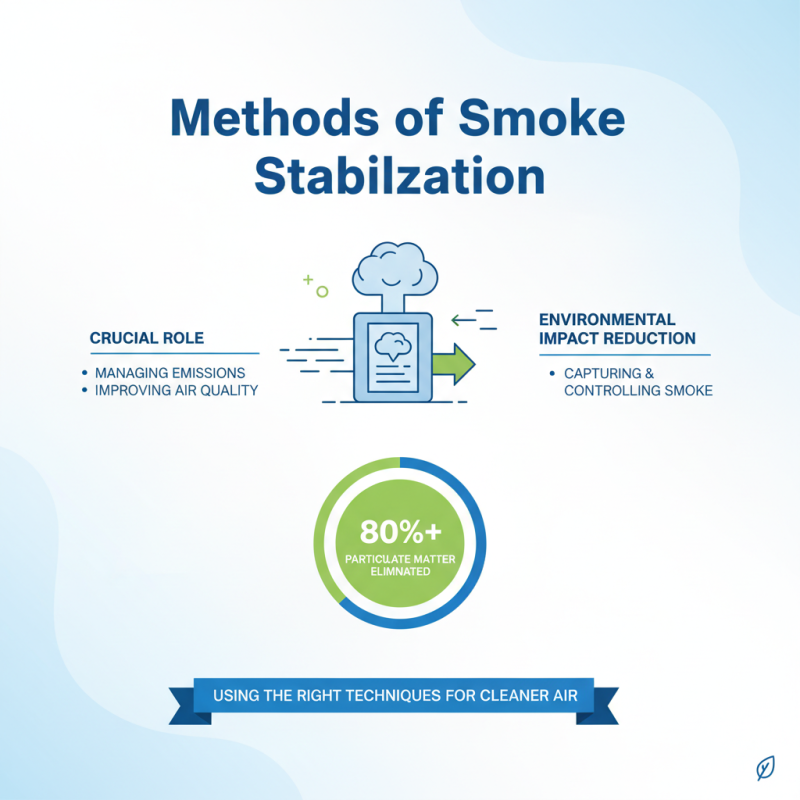
Smoke stabilization plays a crucial role in managing emissions and improving air quality. By capturing and controlling smoke, methods of stabilization can significantly reduce environmental impact. Research indicates that over 80% of particulate matter from smoke can be effectively eliminated with the right techniques.
One prevalent method includes the use of water sprays. This technique helps in cooling smoke particles and causing them to coalesce. A study from the Environmental Protection Agency (EPA) shows that using water sprays can achieve up to a 60% reduction in smoke density. In addition, electrostatic precipitators are used in industrial settings to charge smoke particles. This method attracts particles to a collection plate, efficiently removing them from emissions.
Another notable approach is chemical injection, where specific agents are introduced to react with smoke components. This can alter and neutralize harmful substances. According to industry reports, chemical injection can lower hazardous material levels by as much as 70%. These methods, however, are not foolproof. Challenges such as equipment maintenance and effectiveness during variable conditions can hinder optimal performance. Each method requires careful monitoring and evaluation to ensure reliability and effectiveness in different scenarios.
Applications of Smoke Stabilization in Various Industries
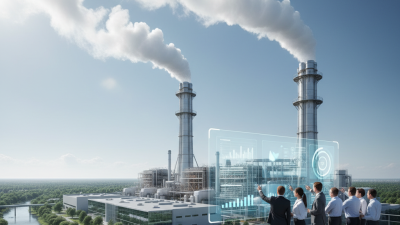
Smoke stabilization is gaining traction across various industries. This innovative method is transforming how we manage emissions, improve air quality, and enhance manufacturing processes. Reports indicate that smoke stabilization can reduce particulate matter by as much as 30% in industrial settings. This reduction leads to cleaner air and complies with environmental regulations.
In the agricultural sector, smoke stabilization plays a crucial role during biomass burning. A study revealed that implementing this technique can cut emissions of harmful gases by nearly 25%. Farmers benefit from reduced smoke while maintaining the efficacy of land clearing. The construction industry is also seeing remarkable applications. Dust and smoke generated from construction sites can be stabilized, promoting worker safety and environmental compliance.
However, challenges remain. Not all methods are equally effective, and the installation costs can be high. Industries must weigh these factors against potential benefits. As companies explore advanced smoke stabilization techniques, ongoing research is essential. This will help establish best practices and ensure the longevity of efforts in smoke management. Ultimately, further innovation will be needed to enhance efficiency and broaden applications across sectors.
Applications of Smoke Stabilization in Various Industries
Future Trends in Smoke Stabilization Technology
Advancements in smoke stabilization technology are shaping a more sustainable future. Recent industry reports suggest a projected growth of 15% in smoke management systems over the next five years. This growth is driven by stricter regulations on air quality and increasing public health awareness. The collection and treatment of smoke particles have become crucial in industrial applications.
Innovative methods, such as electrostatic precipitation and advanced filtration, play a pivotal role in enhancing smoke stabilization. These technologies can reduce particulate matter by up to 90%, improving air quality significantly. The integration of IoT sensors also offers real-time monitoring of smoke emissions, allowing for quick adjustments and optimizations. However, challenges remain. High costs and maintenance complexities hinder widespread adoption.
Moreover, there is a need for consistent standards across different sectors. Research indicates that many facilities still struggle to meet existing regulations. This gap represents an opportunity for emerging companies to introduce more affordable solutions. The future of smoke stabilization technology is promising but requires ongoing dialogue and collaboration within the industry to address these persistent issues.