10 Best Smoke Stabilization Systems for Global Buyers?
Choosing among the 10 Best Smoke Stabilization Systems for Global Buyers requires more than comparing equipment prices. A reliable system must control smoke density, temperature, humidity, airflow, and exposure time. These variables influence flavor, surface color, product safety, and production consistency. A small temperature drift can darken a batch or create uneven results.
Food scientist Dr. Wes Osburn has emphasized, “Smoke is both a flavoring agent and a processing tool.” This perspective remains valuable for buyers evaluating modern Smoke Stabilization equipment. The best systems do not simply produce visible smoke. They manage the complete smoking environment, from smoke generation to exhaust control. Stainless-steel chambers, washable ducting, calibrated sensors, and automatic alarms can make daily operation safer and more repeatable.
Details matter.
This overview compares ten systems for international purchasers, including compact units for small processors and automated lines for larger facilities. Each option is considered through practical criteria: smoke uniformity, energy use, cleaning access, control accuracy, installation demands, and after-sales support. Certification requirements may differ between markets, so buyers should verify local standards before ordering. That step is easy to overlook.
No system is perfect. A highly automated model may reduce labor but increase maintenance complexity. A lower-cost unit may appear attractive but lack dependable humidity control. Real production conditions also expose weaknesses that brochures rarely mention. For that reason, this guide balances technical specifications with operating experience, supplier credibility, and long-term service needs. The goal is not to name one universal winner, but to identify the most suitable Smoke Stabilization system for different global buying situations.
What Are Smoke Stabilization Systems and How Do They Work?
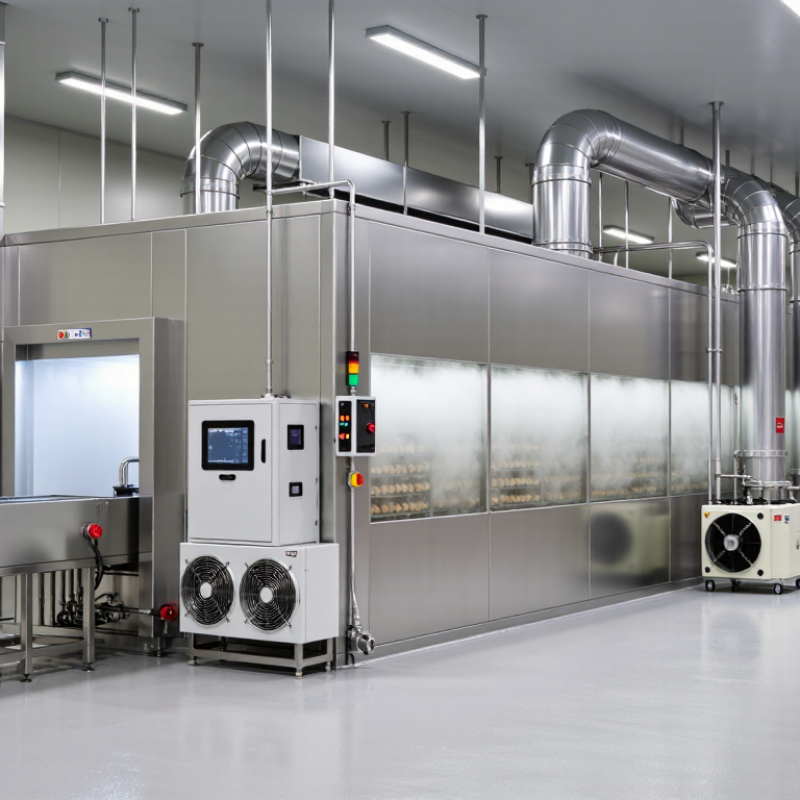
Smoke stabilization systems are process-control units used to condition smoke before it reaches food products. They regulate smoke temperature, humidity, airflow, and particle concentration. The purpose is consistent flavor and color, not simply heavier smoke. This difference matters.
A controlled generator produces smoke in a low-oxygen chamber using approved wood materials. The smoke then passes through cooling and separation sections. These sections reduce excessive heat, ash, and unstable particles. A mixing chamber balances smoke with clean air. Sensors measure temperature, pressure, and flow continuously. The control system adjusts these conditions when production changes. Stable smoke helps prevent burnt surfaces, uneven color, and excessive condensation. It is not magic.
In practical equipment evaluations, duct design often affects performance as much as the generator itself. Poor airflow can create strong smoke near one area and weak smoke elsewhere. Buyers should check food-contact materials, cleaning access, calibration records, and operating data. Test results should include different product loads, not only ideal laboratory conditions. If smoke is too hot, the surface may dry before the center is ready. If humidity is too high, droplets can form inside the chamber. A perfect smoke profile is rarely realistic. Production teams should allow adjustment time, because wood moisture, weather, and cleaning schedules can change results.
Key Types of Smoke Stabilization Systems for Different Applications
Smoke stabilization systems vary by product, chamber size, and production target.
Thermal smoke generators burn or smolder wood chips to create traditional smoke. They suit meat, fish, cheese, and other foods needing a deep, natural profile.
Friction generators produce smoke from a rotating wood block. They offer quick startup and consistent output, but require careful control of wood moisture and pressure.
Liquid smoke atomization systems
use filtered smoke condensate and fine nozzles. They can reduce cleaning demands and improve repeatability in compact facilities.
Electrostatic systems
charge smoke particles before they reach the product. This method may shorten smoking time and improve surface coverage. However, chamber humidity and product conductivity can affect performance.
Recirculating systems move smoke through filters and ducts. They help maintain even color across large batches, especially when airflow is uneven.
Experienced buyers should inspect temperature control, airflow mapping, filtration, sanitation access, and spare-part availability.
A system may perform well in a test chamber but struggle during full production. That gap matters.
Verify food-contact materials, electrical standards, ventilation needs, and local safety requirements before purchase. Ask for independent test records, not only supplier claims.
Operators should also check residue buildup around fans, seals, and nozzles. Small deposits can change smoke density over time. No system is perfect. Maintenance skill, wood quality, and chamber loading still shape the final result.
How to Evaluate the 10 Best Systems for Global Buyers
10 Best Smoke Stabilization Systems for Global Buyers
Evaluating the 10 best smoke stabilization systems requires more than comparing purchase prices. A reliable review starts with application data, including chamber volume, product type, smoking time, and daily production. Ask suppliers for measured smoke density, temperature stability, energy use, and cleaning intervals. Do not rely on attractive brochures alone.
Request factory test records and independent safety documents. Confirm food-contact materials, electrical certifications, emissions controls, and local installation requirements. Global buyers should check voltage, language support, climate suitability, and spare-part availability. A system that performs well in a dry test room may struggle in a humid coastal facility. That matters.
During evaluation, inspect the control panel and observe a complete operating cycle. Check whether smoke distribution remains even near corners and lower racks. Ask operators how quickly they can adjust airflow without interrupting production. Service response times should be written clearly, not promised casually. Measure twice. I would also compare cleaning access, sensor replacement costs, and training quality. One weakness remains easy to miss: some systems provide excellent stabilization but create complicated maintenance routines. A practical scorecard should weigh performance, safety, lifetime cost, documentation, and user experience. Speak with existing users when possible, but treat every reference carefully. Their production conditions may differ from yours. A small pilot run can reveal more than ten polished demonstrations.
Installation, Operation, and Maintenance Requirements
10 Best Smoke Stabilization Systems for Global Buyers
Installation, operation, and maintenance requirements often decide whether a smoke stabilization system performs reliably. Before selection, confirm airflow volume, temperature range, duct size, and available power. A system that fits a catalog may fail in a dusty plant. Measure the actual site conditions.
Installation needs stable foundations, accessible inspection panels, and correctly sealed connections. Keep sensors away from direct heat and heavy vibration. Qualified technicians should verify wiring, alarm signals, and emergency shutdown functions. Commissioning should include simulated faults, airflow checks, and recorded performance readings. Field experience shows that rushed commissioning creates expensive problems later.
Tips
Create a maintenance schedule before installation. Inspect filters, dampers, sensors, and seals at defined intervals. Clean sensor surfaces carefully; small deposits can affect readings. Operators should understand normal sounds, pressure changes, and warning indicators. Keep spare parts that commonly wear, but avoid storing unverified substitutes. Digital logs improve traceability, especially across different service teams. Still, records are not enough. Someone must review them.
During operation, monitor pressure, temperature, and response time under realistic loads. Avoid repeated manual overrides unless the cause is documented. Remote monitoring can help global buyers, but poor network access may reduce its value. Local controls remain important. Requirements can also change after building modifications, so reassess the system when ducts, walls, or production equipment move. Even a well-designed installation may need adjustment after its first demanding season.
10 Best Smoke Stabilization Systems for Global Buyers
Comparative planning index for installation, operation, and maintenance requirements. Scores range from 1 (lower requirement) to 5 (higher requirement) and reflect typical engineering characteristics across industrial applications.
The index considers equipment integration, utility demand, process control, consumable replacement, inspection frequency, and waste-handling needs. Actual requirements vary with gas composition, flow rate, temperature, emission limits, and local regulations.
Safety, Compliance, Cost, and Supplier Selection Factors
10 Best Smoke Stabilization Systems for Global Buyers?
For global buyers, smoke stabilization systems should be judged by safety before purchase price. A reliable setup may include smoke exhaust fans, pressure-control units, fire-rated dampers, sensors, and emergency power. These parts must work together during heat, power loss, and poor visibility. Ask for test records, maintenance instructions, and clear failure-response data. Local fire authorities may require different approvals, so generic certificates are not enough. Confirm compatibility with the building layout, voltage, climate, and control network.
Tips: Request a full compliance matrix. Check factory inspection records. Require witnessed testing before shipment. Compare energy use, spare-part access, installation labor, and annual service costs. A low quote can look attractive. It may hide weak controls or expensive replacements. One overlooked detail is the handover process. Operators need practical training, not only a technical manual.
Supplier selection deserves careful questioning. Ask how the system performs at minimum and maximum airflow, and how alarms are recorded. Review the supplier’s engineering team, response time, documentation quality, and experience with similar buildings. Independent testing adds confidence, especially for projects crossing borders. Still, no system is perfect. Sensor drift, blocked dampers, or delayed maintenance can reduce protection. Buyers should include scheduled inspections, emergency drills, and measurable acceptance criteria in the contract. Get local advice.