Why Does Lasting Taste Matter to Global Buyers?
For global buyers, Lasting Taste is more than a pleasant flavor at the first sip. It reflects product stability, formulation control, and consumer confidence. A beverage may leave a clean citrus note in a laboratory glass. However, that note can weaken after weeks in transport, heat exposure, or warehouse storage. Buyers therefore examine taste performance across real supply chains. They compare samples after opening, refrigeration, and repeated use. Small differences matter.
Charles Spence, a leading researcher in multisensory perception, has stated, “Flavor is a multisensory experience.” This view helps explain why lasting taste depends on more than flavor ingredients. Aroma, texture, packaging, serving temperature, and even consumer expectations can influence the final impression. Experienced buyers often request sensory panels, stability data, and batch comparisons before approving a supplier. They want evidence, not attractive claims.
Consistency builds trust.
Still, no formulation performs perfectly everywhere. Climate, water quality, processing equipment, and local preferences can change the result. That reality deserves honest discussion. A taste that remains strong in a controlled facility may behave differently in a humid market or during long-distance shipping. Reliable suppliers test these conditions and document their findings. They also admit limitations instead of promising absolute permanence.
For international markets, Lasting Taste becomes a practical measure of quality. It supports repeat purchases, reduces avoidable complaints, and strengthens brand identity. The strongest products do not merely taste good today. They continue to taste recognizably good when customers open them later, in different places, under different conditions.
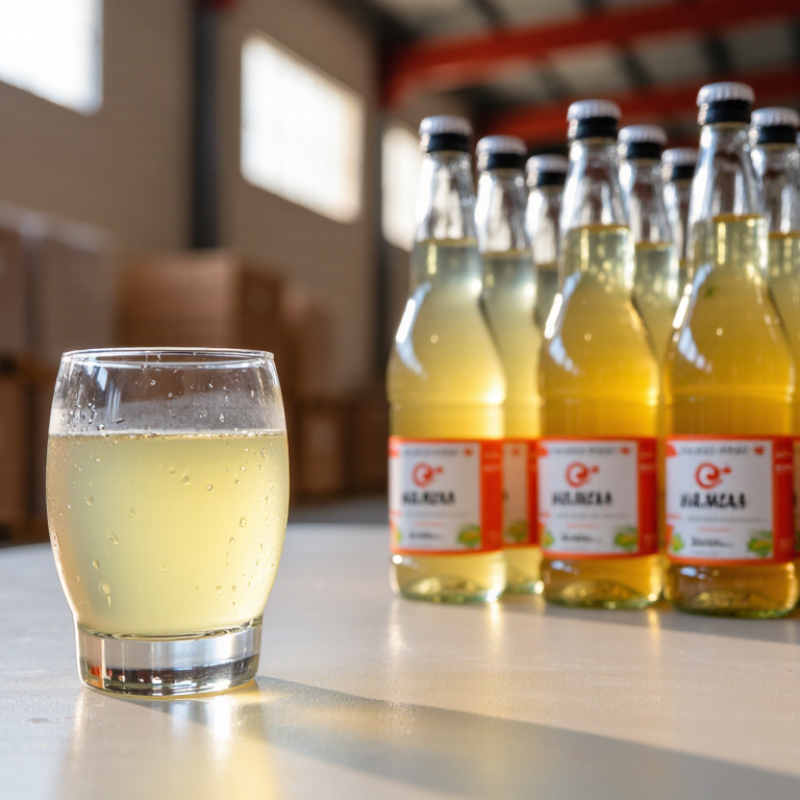
A lasting taste is not simply a strong flavor. It is the recognizable sensory impression that remains after swallowing. This includes aroma, mouthfeel, balance, and aftertaste. A clean finish can suggest freshness, while a harsh finish may reduce repeat purchases. In professional sensory testing, trained panels often record flavor intensity at several time points. Buyers can then compare products more reliably across batches and markets.
Taste remains commercially important.
The IFIC Food & Health Survey 2024 found that 84% of American consumers considered taste an important food purchase factor. Healthfulness reached 62%. This gap shows why better nutrition cannot replace satisfying flavor. Innova Market Insights’ Top Ten Trends 2024 also reported that six in ten consumers globally were interested in trying new flavors. However, curiosity may create the first purchase. A pleasant, lasting taste supports the second one.
For global buyers, lasting taste means consistency under real conditions. Samples should be tested after transport, storage, dilution, heating, or chilling. Local eating habits also influence how an aftertaste is judged. A spicy finish may feel exciting in one market and excessive in another. The difficult part is that longer flavor is not always better. Our tasting panels can also misjudge results when serving sizes differ. Clear protocols, repeated trials, and consumer feedback remain necessary. Taste claims should match sensory evidence, not optimistic wording.
For global buyers, flavor persistence is more than a pleasant aftertaste. It signals ingredient quality, process control, and product consistency. In practical tasting sessions, a clean flavor lasting 20–30 seconds may feel more complete than a sharp taste that disappears quickly. Ingredients drive this experience. Oils, proteins, sugars, acids, and aromatic compounds release at different speeds. Their balance determines whether flavor stays bright, rounded, or flat.
Processing changes that balance. Gentle heating may protect delicate aromas, while excessive heat can create bitter notes or reduce freshness. Grinding size affects extraction and mouth coating. Fermentation can deepen savory character, but timing matters. Moisture also plays a role. Dry particles often release flavor suddenly, while emulsions may extend it. Small variations in temperature or mixing can shift the finish. Quality teams need repeatable tests, not assumptions. Sensory results are not perfectly objective, either. Local cuisines and eating habits influence perception.
Tips: Compare samples at the same temperature. Record flavor at 0, 10, 20, and 30 seconds. Check aroma, sweetness, acidity, bitterness, and mouthfeel. Use trained tasters when possible. Keep notes honest. A weak finish may reveal an ingredient or process issue, not a marketing problem.
Flavor persistence is the taste and aroma that remain after a food or drink is swallowed. The comparisons below are qualitative: actual results depend on the full recipe, serving conditions, and the person tasting.
| Ingredient or factor | Typical flavor contribution | Likely persistence | How processing can shape it | Why it matters to buyers |
|---|---|---|---|---|
| Fat and oil | Carry and release many fat-soluble aroma compounds; contribute to a fuller mouthfeel. | Often longer-lasting, though the effect varies by aroma compound and food matrix. | Emulsification, heating, and fat content can alter how aroma compounds are retained and released. | Useful when balancing richness, aroma release, and the desired finish. |
| Salt | Provides saltiness and can enhance or suppress other taste and flavor impressions depending on the food. | Usually a short-to-moderate taste sensation; the overall effect depends on the recipe. | Dissolution, particle size, and distribution affect how quickly salt is perceived. | Helps teams tune flavor intensity while managing sodium targets and local preferences. |
| Sugars and sweeteners | Sweetness can soften perceived bitterness and acidity; different sweeteners have different onset and aftertaste profiles. | Varies by sweetener, concentration, and product type. | Heating can brown sugars and create new flavor compounds; formulation affects sweetness balance. | Important for matching sweetness expectations and controlling lingering aftertaste. |
| Acids | Create sourness and brightness; acidity also influences the balance of sweet, salty, and bitter notes. | Often noticeable during tasting, with duration depending on acid type, concentration, and buffering ingredients. | pH adjustment and buffering can change perceived sharpness and the product’s overall flavor balance. | Supports consistent taste targets across beverages, sauces, and preserved foods. |
| Spices and aromatic herbs | Supply volatile aroma compounds and, in some ingredients, pungent or warming sensations. | Can range from brief to persistent; some pungent sensations may outlast the initial aroma. | Grinding increases exposed surface area; heat can release aromas but may also drive off volatile compounds. | Ingredient form and addition timing help manage aroma strength, consistency, and regional flavor profiles. |
| Roasted ingredients | Heating can produce complex roasted, toasted, and browned notes through reactions such as the Maillard reaction. | Often moderate to long-lasting, depending on the compounds formed and product matrix. | Time, temperature, moisture, and ingredient composition influence the type and intensity of roasted notes. | A controlled roast profile can help deliver a recognizable flavor while limiting burnt or overly bitter notes. |
| Fermentation | Microorganisms can produce acids and aroma compounds, contributing to sour, savory, fruity, or complex notes. | Highly variable; some fermented notes linger, while others are mainly perceived through aroma. | Culture, time, temperature, and stopping conditions influence the flavor profile. | Process control supports repeatable sensory outcomes between production batches. |
| Texture and particle size | Influence how quickly ingredients dissolve, release aroma, and contact taste receptors. | No single level; thicker or more complex matrices can change the timing of flavor release. | Grinding, homogenization, and thickening alter surface area, dispersion, and mouthfeel. | Texture specifications can be as important as ingredient selection when targeting a consistent finish. |
Practical takeaway: Flavor persistence is a formulation outcome, not a fixed property of one ingredient. Sensory testing under intended serving conditions is needed to confirm the result.
Global buyers often judge taste beyond the first sip. They watch how flavor develops, fades, and returns. A clean opening may lose value if bitterness lingers unevenly.
Buyers commonly assess aroma, sweetness, acidity, mouthfeel, and finish during controlled tastings. They record intensity and duration, not personal excitement alone.
Not just the first sip.
A reliable assessment starts with a fixed method. Samples should use the same recipe, water, temperature, serving time, and portion size. Trained panelists taste coded samples without seeing origin or price. They score key attributes on a shared scale, then compare notes.
Buyers may repeat testing across several batches. A product that tastes excellent once but changes during storage creates purchasing risk. Packaging, moisture, heat, and transport can alter the final impression.
Real-world experience matters.
Consistency does not mean every sample feels identical. Natural variation exists. However, major shifts in sweetness, acidity, or aftertaste need investigation. Buyers often combine sensory scores with moisture readings, shelf-life checks, and production records.
These details support clearer decisions and more credible supplier discussions. Still, sensory panels can disagree. Personal sensitivity, fatigue, and cultural preference influence results. That limitation deserves attention, not concealment. A careful buyer repeats tastings, documents uncertainty, and checks whether lasting taste matches customer expectations in different markets.
Consumer preferences differ across markets because taste is shaped by everyday habits, local ingredients, and shared expectations. A flavor that feels comforting in one place may seem too sweet or unfamiliar elsewhere. Even the same snack can be enjoyed differently: some people prefer a bright, quick burst of flavor, while others expect it to linger after each bite. Small details matter.
Texture and serving context also influence what people like. A warm drink may call for a gentle finish, while a snack eaten during a busy commute might benefit from a more noticeable taste. In some markets, people share food with family; in others, single portions are more common. These differences are useful clues, not fixed rules. Preferences vary within every country, too.
For global buyers, lasting taste is worth assessing alongside the first impression. Does the flavor remain pleasant after several bites? Does it work with familiar meals, or overpower them? Sensory testing with local consumers can reveal these differences, especially when participants describe specific moments, such as the aftertaste of a drink or the aroma when a package opens. Testing is imperfect. A small group may not represent a whole market, and preferences can change. Careful feedback helps buyers adapt without assuming that one successful recipe will suit everyone.
Global buyers increasingly treat lasting taste as a practical sourcing factor, not merely a sensory preference. A product may taste attractive at first, then fade after a few seconds. That change can affect repeat purchases, customer reviews, and retail confidence. In product evaluations, buyers often compare the first impression with the aftertaste. They may also check how flavor performs after storage, transport, or preparation with different water temperatures.
Sourcing teams should request clear sensory specifications from suppliers. These may include flavor duration, aftertaste quality, batch consistency, and storage stability. Small tasting panels can help identify whether a flavor remains clean, balanced, and recognizable. Product samples should be tested more than once. One successful sample proves little. I have found that simple records, including tasting time, temperature, and preparation method, reveal differences that casual sampling misses. However, no tasting method is perfect. Personal preferences still influence results.
Tips: Test samples at realistic serving temperatures. Compare fresh and stored products. Ask suppliers how they control flavor variation between batches. Keep notes on the first taste, middle notes, and final aftertaste. Avoid choosing only the strongest flavor. A lasting taste should remain pleasant, not become heavy or artificial. Product selection also requires attention to packaging, shipping conditions, and local consumer habits. A flavor that performs well in one market may feel too intense elsewhere. This is where careful buyer feedback becomes valuable.
How lasting taste can influence sourcing and product selection
Illustrative buyer-priority index (0–100), not measured survey results. The values demonstrate how flavor persistence may be weighed alongside consistency, ingredient suitability, and cost. Actual priorities vary by market, product, and buyer.