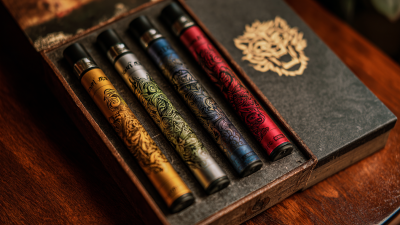
For global buyers, China’s Vape Flavours market is best understood as a changing set of preferences, not a fixed bestseller list. Fruit, mint, tea, and dessert-inspired profiles often appear in product discussions, but popularity can vary by region, channel, and season. Dr. Konstantinos Farsalinos, a researcher who has studied e-cigarette use, has emphasized that flavor can influence adult users’ product choices. That is useful context, not a sales guarantee.
Details matter. A “lychee” profile may taste floral in one sample and candy-like in another. A tea blend may lean toward roasted oolong or sweet milk tea. Buyers should compare written flavor descriptions with sample evaluations, ingredient documentation, batch consistency, and supplier quality controls. Ask how each profile is characterized, and request clear specifications. Small differences show up quickly.
There is no single reliable ranking for every international buyer. Public trend signals may not reflect actual purchasing, and supplier catalogs can make a narrow selection look universal. That is an imperfect starting point. A careful sourcing review should consider the intended adult market, product standards, traceability, and applicable local requirements before any commercial decision. Taste matters. So does evidence. This guide examines prominent flavor families and practical ways to assess them, while treating popularity claims with appropriate caution.

How China’s Vape Flavour Market Is Organized
China’s vape flavour market is easier to navigate by profile and production stage than by a single “top flavour” list. Suppliers commonly group profiles into fruit, mint, tobacco, beverage, and dessert families. Fruit blends may pair green apple with a cooling note; beverage profiles can resemble tea or citrus soda. These labels are useful, but not exact. One supplier’s “berry” can taste quite different from another’s.
The supply chain typically links flavour developers, e-liquid formulators, device manufacturers, and export buyers. Buyers may review sample sets, request formulation adjustments, and assess consistency across production batches. Grand View Research estimated the global e-cigarette and vape market at USD 26.2 billion in 2023. That figure describes the global market, not China alone, but it helps explain the commercial value of organized product development. Ask suppliers for batch-level ingredient records and test samples on the intended device.
Tips: Compare flavours at the same concentration and temperature. Keep written tasting notes. Request relevant quality and stability documents, and check requirements in the destination market. A flavour name is only a starting point.
| Market layer | Flavour family | Common flavour concepts | Typical buyer considerations | China-market context |
|---|---|---|---|---|
| Core flavour category | Fruit | Citrus, berry, apple, grape, tropical fruit, and combinations of fruit notes | Define the intended sweetness, tartness, aroma strength, and whether the profile is single-fruit or blended. Confirm that each flavouring and finished product meets destination-market rules. | Fruit is a widely used product-development category in international markets. It is not permitted as a non-tobacco flavour in products sold on China’s domestic market under the current national e-cigarette framework. |
| Core flavour category | Cooling and mint | Mint, menthol-style cooling, and cooling notes paired with fruit or other profiles | Specify cooling intensity separately from mint character; these are not the same sensory attribute. Check local restrictions on cooling agents and ingredient disclosure. | Often treated as a distinct formulation dimension or as an add-on to another flavour family. Domestic-market sale remains subject to China’s flavour restrictions and product standards. |
| Core flavour category | Beverage-inspired | Tea, coffee, cola-style, and other beverage-inspired flavour concepts | Agree on the intended reference profile, since “tea” or “coffee” can describe many different aroma and sweetness balances. Avoid claims that imply a product is an actual beverage. | Usually organized by the inspiration or aroma profile in export-oriented product briefs; the concept alone does not establish regulatory approval in a destination country. |
| Core flavour category | Dessert and sweet | Vanilla, caramel, bakery-inspired, and other sweet or creamy profiles | Set a target for sweetness and richness, and assess flavour stability in the intended device and liquid formulation. Review destination rules on ingredients and product presentation. | A common product-development grouping for export discussions. Non-tobacco dessert flavours cannot be sold in e-cigarettes on China’s domestic market under the current framework. |
| Domestic-market category | Tobacco flavour | Tobacco-character profiles, subject to applicable product standards and approval requirements | Check the product’s regulatory status, permitted ingredients, testing documentation, and applicable national standards before procurement or sale. | China’s domestic-market framework permits tobacco-flavoured e-cigarettes but prohibits flavours other than tobacco for domestic sale. This does not mean every tobacco-flavoured product is automatically approved. |
| Formulation dimension | Single-note, blended, or layered profile | One dominant note; two or more complementary notes; or a profile that changes in emphasis during use | Use a sensory brief and approved reference samples to align on the profile. Validate performance in the actual device rather than relying on a flavour name alone. | Flavour family and formulation style are separate ways to organize a buyer brief. Neither is a ranking of popularity or an indication of legal status. |
| Export and compliance layer | Destination-specific assortment | Flavour choices selected for the laws, standards, and product requirements of the intended market | Confirm destination-country rules for flavour availability, ingredients, nicotine, packaging, testing, and age-related restrictions. Obtain current regulatory advice before placing an order. | An export-oriented flavour brief is distinct from a product for sale in China. Export eligibility and requirements depend on the applicable Chinese export rules and the importing market’s laws. |
Note: Flavour families above are an indicative buyer-oriented taxonomy, not a sales ranking. Regulations vary by destination and may change; verify current requirements before sourcing or selling.

China-facing vape flavour menus commonly group options into fruit, mint or cooling, beverage, dessert, and tobacco-inspired profiles. Fruit blends often feature clear, familiar notes such as citrus, berry, or peach. Cooling flavours add a crisp finish, while beverage and dessert profiles suggest tea, coffee, or creamy sweets. These are useful category labels, not proof of a single national preference.
For context, Grand View Research’s 2024 E-cigarette and Vape Market report identifies fruit as the largest flavour segment globally in 2023. That finding is a global benchmark, not China-specific evidence. Public data comparing flavour choices among Chinese buyers remains limited, so rankings should be treated cautiously. Not a perfect proxy. Buyers should also check how suppliers define “cooling” and whether flavour descriptions stay consistent across samples and production batches.
Tips: Request a current flavour list and physical samples. Compare the same profile across batches, and record differences in sweetness, cooling, and aftertaste. A neat catalogue can still leave questions unanswered.
Mainland China’s domestic-market rules differ from export markets. This chart shows flavour-category eligibility for domestic-market products, not export popularity or sales share.
How to read it: 1 = permitted category; 0 = not permitted. China’s national e-cigarette standard permits tobacco flavour and prohibits flavours other than tobacco for domestic-market e-cigarettes. Fruit, mint/menthol, beverage and dessert flavours may appear in export-oriented offerings, but domestic rules do not establish which flavours are most popular with global buyers. The chart does not represent export-market sales data.
For adult buyers, fruit flavours can feel familiar without tasting like a traditional tobacco profile. Bright notes such as citrus, berry, and mango also make flavour differences easy to describe across markets. Small details matter: a sharp lemon finish may suit one audience, while a softer peach note may work better elsewhere. Preferences are not universal.
Grand View Research’s e-cigarette and vape market analysis identifies fruit as the largest flavour segment by revenue in 2023. That is a market measure, not proof that every buyer prefers fruit.
For importers sourcing from China, sample several profiles and check consistency between batches. A vivid first taste can become too sweet after repeated use. Worth testing.
Tips: Compare flavour samples at room temperature, record the finish and sweetness, and confirm product details and age restrictions for each destination market. Keep claims factual; do not present vaping as risk-free.
For global buyers, beverage, mint, and dessert profiles can broaden an adult-focused product range without relying on one taste direction. Grand View Research valued the global e-cigarette and vape market at USD 26.2 billion in 2022 and forecast growth through 2030; this is an overall market estimate, not proof of demand for any specific flavour. Beverage-inspired profiles—such as citrus tea or lightly sweetened coffee—offer familiar notes, while mint can add a cool, clean contrast. Dessert profiles, like vanilla custard or toasted biscuit, bring richer sweetness. Small differences matter: a sharp citrus edge feels very different from a soft, creamy finish.
Tips: Test each profile for aroma, sweetness, and aftertaste, then review feedback from verified adult consumers. Check local product rules before planning any market entry.
Avoid assuming one flavour trend travels everywhere. Preferences vary by region, and “popular” can be difficult to verify across retail channels. A balanced range might pair one refreshing profile with one creamy option and one familiar beverage note. Keep descriptions accurate, avoid health claims, and document how flavour consistency is checked between production batches. Imperfect blends happen; record the feedback and adjust carefully.
Global buyers comparing Chinese vape flavours need a sensory brief before reviewing supplier catalogs. Name the target profile clearly: ripe mango, roasted tea, soft mint, or a less-sweet berry note. Ask for samples tied to the quoted production batch, not only a polished showroom sample. Small details matter. Taste panels should use consistent evaluation conditions and record aroma, sweetness, cooling, and aftertaste.
Documentation deserves equal attention. Request ingredient disclosures, batch identifiers, dated specifications, and storage guidance in writing. Check that the flavour description matches the sample, label, and technical file. Where available, review independent test reports and confirm what each test actually covers; a report is not a blanket guarantee. Ask about shelf-life evidence, temperature sensitivity, and how the supplier handles formula changes. These answers expose gaps early.
For export orders, verify the destination market’s current ingredient, labeling, and documentation requirements with qualified local advisers. Also compare lead times, minimum order quantities, sample fees, and change-control procedures. A flavour that works on paper may shift after scale-up, so request approval samples before a larger purchase. Do not assume familiar names mean identical profiles; naming conventions vary between suppliers. I would still leave room for one more sample round.