Global buyers increasingly seek products that feel safer for people, homes, and the environment. The phrase “Naturally Harmless” attracts attention, but it is not a universal legal certification. Responsible sourcing requires evidence, testing, and clear product documentation.
This guide examines ten product categories with naturally low-risk characteristics, including plant-fiber packaging, untreated bamboo accessories, mineral-based cleaners, and fragrance-free personal-care goods. The Global Wellness Institute reported that the global wellness economy reached $5.6 trillion in 2022, showing strong demand for products connected with healthier lifestyles. IBM’s Institute for Business Value also found that 57% of surveyed consumers were willing to change purchasing habits to reduce environmental impact. These figures support the market opportunity, but they do not prove that every “natural” product is safe.
Details matter. A buyer should check ingredient lists, allergen statements, material specifications, safety data sheets, and independent laboratory results. A cotton storage bag may look harmless, yet dyes, coatings, or contaminated packaging can change its risk profile. Even bamboo products require attention to adhesives, surface treatments, and food-contact compliance.
The label can mislead. “Natural” does not automatically mean non-toxic, sustainable, or suitable for children. This ranking therefore focuses on practical evidence, responsible manufacturing, and internationally recognized quality expectations. It also acknowledges an uncomfortable limitation: product safety depends on formulation, dosage, use conditions, and local regulations. Buyers should verify claims with suppliers before placing large orders. That step is slower, but usually wiser.
What Makes a Product Naturally Harmless for Global Buyers
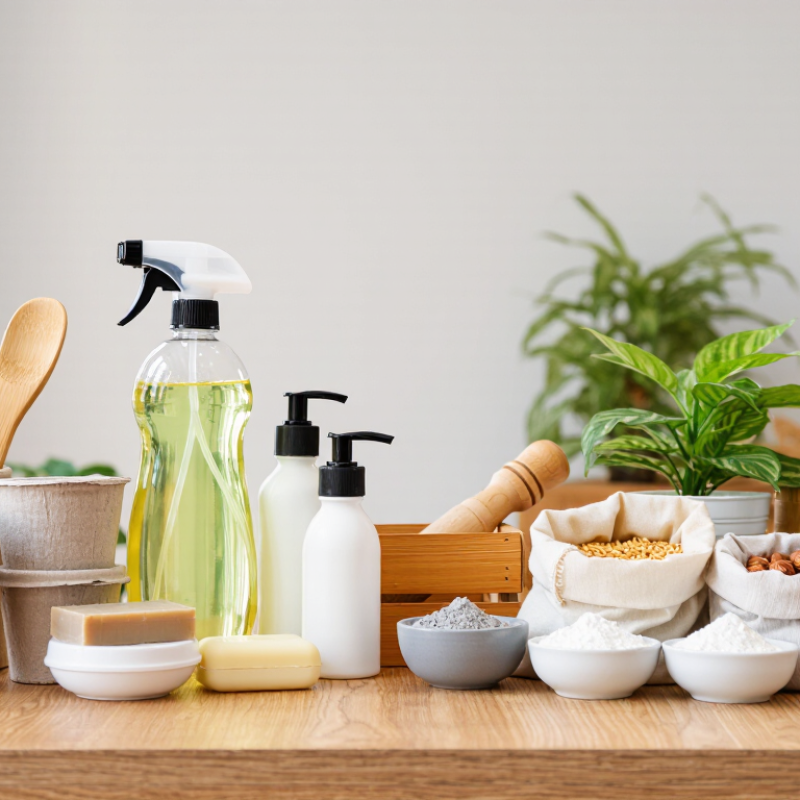
A naturally harmless product begins with simple, controlled materials. Examples include organic cotton towels, linen bags, cork coasters, untreated wooden utensils, beeswax wraps, glass jars, stainless steel bottles, ceramic plates, wool blankets, and paper packaging. These products are not automatically safe because they look natural. Their safety depends on clean processing, suitable coatings, and responsible manufacturing.
In my sourcing experience, reliable suppliers explain every material clearly. They provide test reports for heavy metals, dyes, allergens, and chemical residues. They also identify food-contact surfaces and child-use limitations. A wooden spoon should have a smooth finish and no unknown paint. A ceramic cup needs stable glaze testing. A wool blanket should disclose fiber content and possible irritants. Traceable factories, batch records, and readable care instructions build confidence across markets.
I once assumed untreated materials were always safer. That was a mistake. Mold, dust, poor storage, or contaminated water can create risks. Global buyers should also check packaging, transport conditions, recycling claims, and local requirements. Safety standards differ between countries, so one certificate may not satisfy every destination. Responsible sellers admit these limits instead of promising universal harmlessness. Clear evidence, honest labeling, and practical use guidance make a product more trustworthy.
Top 10 Naturally Harmless Products for Global Buyers?
Low-risk natural products usually have simple ingredients and limited exposure. Suitable categories include dried herbal teas, culinary herbs, whole spices, dried fruits, honey, plant-based textiles, cork goods, bamboo utensils, untreated wooden accessories, and mild botanical soaps.
Keep claims modest. Natural does not mean harmless. The World Health Organization reports about 600 million foodborne illnesses and 420,000 deaths annually. Contamination, allergens, moisture, and poor storage can affect even familiar products. Exporters should provide ingredient lists, batch codes, shelf-life details, allergen warnings, and laboratory test results. For food items, microbial, pesticide, heavy-metal, and mycotoxin testing deserves attention. For soaps, basic skin-irritation and preservative checks are valuable.
Evidence supports strong demand. The 2024 World of Organic Agriculture report, published by FiBL and IFOAM Organics International, recorded global organic retail sales of about €135 billion in 2022. However, certification is not identical to complete safety. Buyers still need traceable suppliers and compliant packaging. I have seen attractive natural products fail because labels were incomplete or moisture entered paper packaging. That weakness is easy to overlook. A practical shortlist should therefore favor stable formats, clear documentation, and minimal processing claims. Fresh botanical extracts and concentrated oils need stricter review, so they should not be treated as automatically low-risk.
Natural origin can sound reassuring, but it does not prove safety for every user. Global buyers should verify each product like a small investigation. Request full ingredient names, concentrations, allergens, country of origin, and intended use. Avoid vague terms such as “plant blend” or “chemical-free.” They hide important questions. Check whether ingredients may irritate skin, trigger allergies, or conflict with normal storage conditions.
Certifications should be checked, not merely displayed in a sales file. Confirm the issuing body, certificate number, scope, facility address, and expiry date. Contact the issuer through its official directory when possible. A certificate may cover one site, not every product. Ask for a recent laboratory report, then match its batch number with the shipment. Review tests for contaminants, heavy metals, microbes, and prohibited substances where relevant. Limits differ by market.
Quality also appears in physical details. Inspect sealed packaging, readable labels, tamper evidence, and clear storage instructions. Ask for traceability from raw material to shipment. Small samples can reveal odor, texture, leakage, or inconsistent color. A common review mistake is trusting polished documents without checking production evidence. I would record questions, answers, and missing files before payment. No checklist is perfect. Some documents may still be incomplete, especially from smaller suppliers. That is a reason to request clarification, not an automatic safety approval. Verify local import rules and use independent testing for higher-risk materials.
| No. | Product Category | Typical Natural Materials or Ingredients | Common Global Uses | Relevant Certifications or Standards | Ingredient and Documentation Checks | Quality Indicators | Main Buyer Cautions |
|---|---|---|---|---|---|---|---|
| 1 | Organic Cotton Apparel and Baby Textiles | Organic cotton fiber; undyed or low-impact dyes; sewing thread and trims should be separately documented. | Baby clothing, towels, bedding, reusable fabric products, and casual apparel. | GOTS OCS OEKO-TEX Standard 100 | Verify the certificate scope, transaction records, fiber composition, dyeing process, and whether accessories are included in the certification. | Accurate fiber labeling, colorfastness, dimensional stability after washing, low formaldehyde and heavy-metal test results, and secure seams. | “Organic” refers to the fiber or production scope, not automatically to every dye, finish, button, or printed component. Check for shrinkage and skin-contact test results. |
| 2 | Linen Household Textiles | Flax fiber, usually woven into linen or linen-blend fabric; finishes may include softeners, dyes, or wrinkle treatments. | Tablecloths, kitchen towels, curtains, bedding, napkins, and lightweight garments. | OEKO-TEX Standard 100 European Flax or Masters of Linen GOTS for certified organic fiber | Confirm the percentage of linen versus other fibers, country of fiber origin if claimed, dye and finish declarations, and applicable chemical test reports. | Even weaving, acceptable slub level, colorfastness, tear strength, wash shrinkage within specification, and absence of strong chemical odor. | Natural fiber status does not guarantee chemical-free processing. Linen can wrinkle and may shrink if prewashing or dimensional control is inadequate. |
| 3 | Solid Bamboo Household Utensils | Solid bamboo, food-safe coating where used, and non-toxic adhesive only where the product is laminated or assembled. | Cutting boards, serving trays, spoons, storage containers, and kitchen accessories. | FSC Chain of Custody EU Food-Contact Framework FDA food-contact requirements where applicable | Confirm that the item is solid bamboo rather than a bamboo-plastic composite; request coating, adhesive, migration, and heavy-metal documentation. | Smooth surfaces, no cracks or splinters, stable joints, low water absorption, food-contact migration compliance, and clear care instructions. | Bamboo products are not automatically safe for food contact. Avoid unsupported claims such as “chemical-free” or “100% natural” when resins or coatings are present. |
| 4 | Natural Rubber Yoga Mats and Exercise Accessories | Natural rubber latex, with possible fabric reinforcement, pigments, foams, or surface treatments. | Yoga mats, resistance bands, grip pads, and fitness accessories. | OEKO-TEX Standard 100 REACH chemical compliance ISO 20957 where applicable | Request a full material declaration, latex content statement, restricted-substance test report, and confirmation of plasticizers, fragrances, and surface coatings. | Consistent thickness, strong tear resistance, adequate slip resistance, low odor after airing, and stable performance under humidity and normal use. | Natural rubber contains latex proteins and may trigger allergies. Some products marketed as rubber are blends containing PVC, TPE, or synthetic rubber. |
| 5 | Beeswax Food Wraps | Cotton fabric coated with beeswax, plant oil, and tree resin; formulation varies by manufacturer. | Reusable food wrapping, bowl covers, and dry-food storage. | Food-contact compliance GOTS or OCS for certified cotton REACH compliance | Verify the wax, oil, resin, dye, and fabric composition; request food-contact migration testing and instructions for cleaning and temperature limits. | Even coating, good flexibility, secure adhesion to containers, no rancid odor, colorfast fabric, and intact edges. | Not suitable for raw meat, hot food, ovens, microwaves, or high-temperature dishwashers. Beeswax products are not vegan and may not suit people with bee-product sensitivities. |
| 6 | Plant-Oil-Based Bar Soap | Saponified vegetable oils such as olive, coconut, palm, or sunflower oil; optional fragrance, clay, botanicals, or essential oils. | Handwashing, body cleansing, household cleaning, and travel toiletries. | COSMOS NATRUE ISO 22716 GMP | Check the complete INCI ingredient list, fragrance allergens, preservative status, manufacturing batch records, microbial controls, and local cosmetic registration requirements. | Stable pH for the intended use, consistent weight, low rancidity indicators, clean curing, intact packaging, and documented stability testing. | Natural fragrance and essential oils can irritate sensitive skin. “Plant-based” does not mean hypoallergenic, and soap is generally alkaline rather than pH-neutral. |
| 7 | Mineral Sunscreen with Zinc Oxide | Zinc oxide as the UV filter, combined with carrier oils, waxes, emollients, and approved preservatives. | Topical sun protection for adults and children, subject to local regulatory approval. | Applicable national sunscreen regulation Broad-spectrum test report ISO 22716 GMP | Verify active-ingredient concentration, non-nano or nano status where relevant, SPF and UVA test reports, water-resistance claims, ingredient list, and product registration. | Uniform dispersion, stable SPF performance, acceptable preservative challenge results, suitable packaging, and clear expiration and batch coding. | “Mineral” does not automatically mean risk-free. Sunscreen claims are regulated differently by market, and SPF results cannot be inferred from ingredients alone. |
| 8 | Plant-Based Natural Cleaning Concentrates | Water, plant-derived surfactants, citric acid, sodium bicarbonate, mineral salts, and preservatives where necessary. | Household surface cleaning, dishwashing, laundry, and institutional cleaning. | EU Detergents Regulation EU Ecolabel where applicable EPA Safer Choice where applicable | Request the safety data sheet, full ingredient disclosure, biodegradability data, allergen information, packaging compatibility, and dilution instructions. | Verified cleaning performance, stable viscosity and pH, controlled microbial load, leak-proof packaging, and accurate hazard labeling. | Natural ingredients can still irritate skin or eyes. Never mix acidic cleaners with chlorine-based products, and do not make disinfectant claims without required efficacy testing. |
| 9 | Unbleached Paper and Molded-Fiber Packaging | Wood pulp, recycled fiber, agricultural residue fiber, water-based coatings, or molded cellulose. | Food trays, cartons, protective packaging, takeaway containers, and retail packaging. | FSC or PEFC Recycled-content certification Food-contact migration compliance | Verify fiber source, recycled content, fluorinated-chemical status, wet-strength additives, printing inks, coatings, and food-contact test results. | Consistent basis weight, compression strength, moisture resistance, low odor, clean die-cutting, and reliable recycling or compostability evidence. | Paper is not automatically compostable or suitable for direct food contact. Wax, plastic, fluorochemical, or barrier coatings can change disposal and safety properties. |
| 10 | Untreated or Naturally Finished Wool Products | Sheep wool, with possible natural lanolin, vegetable dyes, or low-impact finishing agents. | Blankets, apparel, insulation, felt products, and home furnishings. | Woolmark licensing where applicable RWS OEKO-TEX Standard 100 | Confirm wool percentage, animal-welfare or mulesing status where claimed, dye and finishing chemicals, fiber-origin documentation, and skin-contact testing. | Consistent fiber length, controlled pilling, dimensional stability, colorfastness, absence of excessive odor, and appropriate flammability testing for the intended use. | Wool and lanolin may cause allergic or skin reactions. “Untreated” should be supported by a specific process declaration rather than used as a general marketing term. |
Products marketed as naturally harmless still need disciplined controls. Examples include dried tea, bamboo utensils, cotton bags, beeswax wraps, plant-based soap, paper goods, natural-fiber brushes, mineral bath salts, wooden toys, and reusable food containers. “Natural” describes origin, not automatic compliance. A product may face food, cosmetic, toy, chemical, or household rules. Confirm its classification before printing cartons.
Packaging should match the product’s risks and shipping route. Use sealed inner liners for powders, moisture barriers for tea, and dividers for breakable containers. Recycled materials can be suitable, but they must remain clean, stable, and odor-free. Wood packaging may require treatment marks under international plant-health rules. Labels commonly need the product name, materials, net quantity, origin, batch code, responsible importer, and contact details. Food items may require allergens, ingredients, date markings, and storage instructions. Local language rules vary, so one universal label often fails.
Shipping documents should match the label exactly. Check tariff classification, commercial invoices, packing lists, certificates, and required sanitary or safety documents. Some natural ingredients can trigger inspection, even when they look ordinary. Ask the carrier about temperature, humidity, and safety screening before dispatch. A common mistake is trusting a “green” claim without evidence. Review artwork with a local compliance specialist, then test one small shipment. It is slower, but rejected cargo costs more. Requirements also change, so schedule a dated review for every export cycle.
Global buyers often consider plant-based soaps, natural-fiber bags, bamboo utensils, paper goods, and fragrance-free cleaners. However, “natural” does not guarantee safety for every user. Allergens, contamination, sharp edges, and poor packaging can still create risks. Compare suppliers through verifiable evidence, not attractive product descriptions.
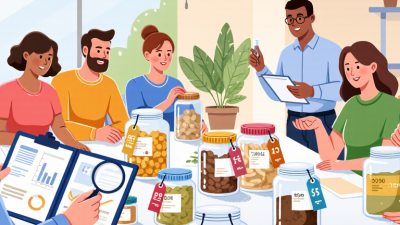
Ask each supplier for ingredient lists, product specifications, batch records, and relevant laboratory reports. Check whether testing comes from an independent, accredited facility. A certificate of analysis helps, but it does not replace traceability or destination-market compliance. Confirm factory addresses, production capacity, quality controls, and complaint procedures. Request a sample from the intended production batch. I have found that polished samples can hide inconsistent materials. That possibility deserves attention.
Tips: Compare three suppliers using the same checklist. Verify production dates and lot numbers. Review packaging for moisture protection and clear warnings. Ask how the supplier handles rejected goods. Check current import rules in each target market. Do not accept vague claims such as “chemical-free” or “completely safe.” Some information may be incomplete, and that is a reason to investigate further. Keep written records of every test, message, and approval. A second review can reveal details that rushed purchasing misses.