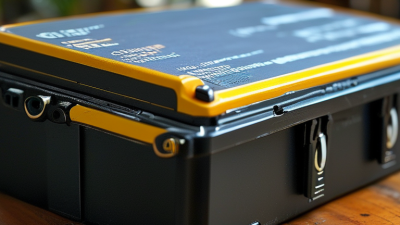
A Detachable Battery is a rechargeable power pack designed to be removed from its device without dismantling the device itself. You may find one in a cordless tool, camera, e-bike, or older laptop. A latch, sliding rail, or simple release button holds the pack in place. Small metal contacts connect it to the device and deliver electrical power.
Inside the pack, multiple cells store energy. A battery management system may monitor voltage, temperature, and charging conditions, helping protect the cells during ordinary use. When you attach the pack, the device draws power through its contacts. When you remove it, you can charge it separately, swap in a charged spare, or store it away from the device. The exact process varies. Always check the manufacturer’s instructions.
Convenience is the main appeal. A photographer can change a camera battery between shots; a tool user can keep working while another pack charges. There is a trade-off, though. A loose battery can be misplaced, and worn contacts may interrupt power. Not every removable pack is interchangeable, even when two packs look similar. Size is not proof of compatibility. It is also worth remembering that removable does not mean maintenance-free. Batteries age, and heat or physical damage can affect performance. A careful user checks the pack for swelling, cracks, or unusual warmth and stops using it if something seems wrong. The details can feel mundane. They matter. Understanding how a Detachable Battery connects, stores energy, and is handled safely makes it easier to choose and use one with confidence.
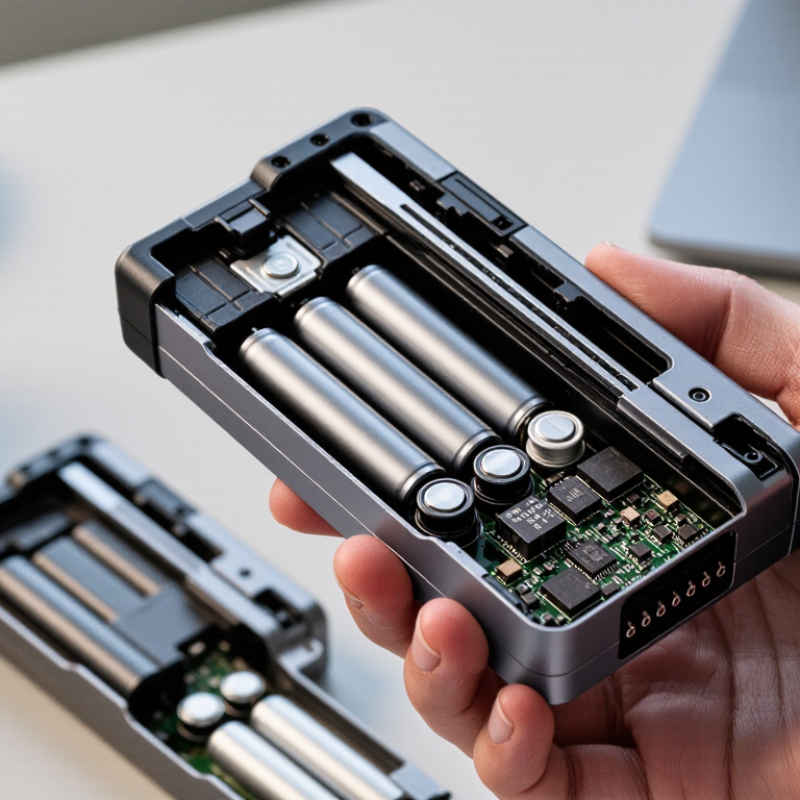
A detachable battery is a battery pack designed to be removed from its device without damaging the casing or wiring. It may slide out, clip into place, or sit behind a cover secured with screws. “Detachable” does not always mean tool-free. The key feature is that the pack can be separated and replaced without dismantling the device itself.
Inside the pack, one or more cells store electrical energy. A connector links the cells to the device, allowing power to flow when needed. Many packs also include a battery management circuit. It monitors conditions such as voltage and temperature, helping the device charge and discharge within suitable limits. The exact design varies. In real products, the boundary between “user-removable” and “service-removable” can feel a little blurry.
Tips: Check the device manual before removing a pack. Turn the device off, use the intended release or cover, and inspect the connector for dust or damage. Never force a battery that seems stuck. A loose fit can interrupt power, while a swollen or cracked pack should not be reused.
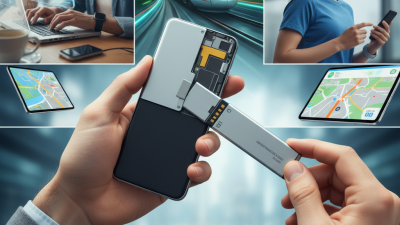
A detachable battery is a self-contained power pack designed to slide or click into a device. Inside its casing, battery cells store energy and release it as electrical current. A plastic or metal enclosure protects the cells from knocks and helps hold them in position. The pack may feel light, but its casing and internal supports matter.
Electrical terminals connect the pack to the device. When the battery is fitted, metal contacts meet matching contacts in the device, creating a path for power. A latch or release tab keeps the pack secure while allowing removal. Many packs also include a battery management system, or BMS. It monitors conditions such as voltage and temperature, and may help prevent unsafe charging or deep discharge. Designs vary, so not every pack has the same protections.
Tips: Check that the battery sits flush and locks in place before using the device. Keep the contacts clean and dry; even a thin layer of dust can interrupt connection. Avoid forcing a pack that does not fit. It may simply be the wrong type, or a small alignment issue.
| Component | What It Does | How It Works in a Detachable Battery | Practical Consideration |
|---|---|---|---|
| Battery cells | Store electrical energy through chemical reactions. Many rechargeable consumer devices use lithium-ion cells. | Cells are connected in series, parallel, or a combination of both to provide the required voltage and capacity. | Capacity is commonly stated in watt-hours (Wh) or milliamp-hours (mAh); voltage is needed to interpret capacity correctly. |
| Cell connections | Carry current between cells and from the battery pack to the device. | Metal strips, wires, or a circuit board connect the cells while maintaining the pack’s electrical configuration. | Loose, corroded, or damaged connections can cause intermittent operation or prevent charging. |
| Battery management system (BMS) | Monitors and helps protect the cells during charging and discharging. | Depending on the design, it can monitor cell voltage and temperature, limit current, and disconnect the pack if operating conditions exceed safety limits. | A BMS provides protection, but it does not make a damaged or incompatible battery safe to use. |
| Electrical contacts | Connect the removable pack to the device or charger. | When the battery is seated, matching terminals complete the electrical path for power delivery and, where supported, charging. | Keep contacts clean and dry. Do not bridge terminals with metal objects. |
| Mechanical latch or locking mechanism | Holds the battery securely in the device while allowing intentional removal. | A latch, sliding rail, button, or release tab aligns and retains the pack; operating the release disengages it. | Confirm the battery is fully locked before using the device, especially if movement or vibration is expected. |
| Pack housing | Encloses and supports the cells and internal electronics. | The casing helps maintain the pack’s shape and protects internal parts from routine handling and contact. | Cracks, swelling, unusual heat, or leakage are warning signs; stop using the battery and follow local disposal guidance. |
| Temperature sensor | Measures battery temperature in designs that include one. | The device or BMS can use temperature readings to pause or limit charging and power output outside permitted conditions. | Charging and operation limits vary by battery design; follow the device maker’s specified temperature range. |
| Charger and charging interface | Supply controlled electrical energy to recharge the cells. | The charger and battery circuitry regulate charging according to the pack’s chemistry and electrical requirements. | Use a charger specified as compatible with the device and battery. A detachable battery is not automatically compatible with every charger. |
A detachable battery connects to a device through matching electrical contacts. These are usually small metal pads or pins on the battery and inside the battery compartment. When the parts line up, the contacts complete a circuit, allowing power to reach the device. Positive and negative terminals must meet the correct contacts. Some batteries also use extra pins to share temperature or charge information. The layout varies by device.
Physical guides help keep the connection steady. A battery may slide along narrow rails, settle into a bay, or attach with a latch. In many designs, a click signals that the catch has engaged. It is a useful clue, not a guarantee of good contact. Dust, a misaligned edge, or worn contacts can interrupt power. A firm click can be misleading; that deserves a second look.
Before inserting a battery, check the device instructions and align its markings with the compartment. Do not force it. If it rocks or will not seat, remove it and inspect the fit. Look for debris or bent contacts, but avoid scraping the metal. A clean, correctly seated connection should feel stable. If power cuts out when the device moves, stop using it and check for damage or seek qualified service.
A detachable battery stores energy inside electrochemical cells. During charging, electrical energy causes chemical changes within those cells. When a device needs power, the reactions reverse and produce an electric current. The energy is not held as a simple pool of electricity. It is stored chemically, then converted as the device operates.
Small metal contacts connect the battery to the device. Once seated, the battery supplies direct current at a set voltage. A control circuit helps manage charging, temperature, and output. It can also stop operation if conditions become unsafe. The device draws power as needed; a screen or motor may demand more than a standby circuit. That difference affects how quickly the stored energy is used.
Removing the pack breaks the electrical connection, making it possible to replace or charge it separately. The contacts must align cleanly. Even a thin layer of dust can interfere. A little wear is normal, but damaged contacts deserve attention. Battery capacity also changes with age, heat, and repeated charging. A charge indicator offers an estimate, not a perfect measurement. That part is easy to overlook. The real runtime may vary with workload and temperature, so a neat capacity number does not tell the whole story.
A detachable battery stores energy chemically and supplies electrical power through its terminals when connected to a device.
Typical nominal voltage per cell: lithium-ion cells are commonly rated around 3.6–3.7 V, nickel-metal hydride cells around 1.2 V, and lead-acid cells around 2.0 V. Connecting cells in series raises pack voltage; connecting them in parallel increases capacity. Actual values vary by cell design and operating conditions.
A detachable battery is a rechargeable pack designed to come off a device without dismantling its main structure. Common designs include slide-in cartridges with locking tabs, rail-mounted packs, and screw-fastened modules. A latch or release button frees the pack; electrical contacts then connect it to the device or charger. Small parts matter. A loose connector can interrupt power, even when the battery still holds charge.
Slide-in packs suit e-bikes, scooters, and portable tools, where users may swap a depleted pack or charge it indoors. Rail-mounted designs often provide a firm fit under vibration, while screw-fastened packs can be compact but slower to replace. The International Energy Agency’s Global EV Outlook 2024 reports that electric-car battery demand exceeded 750 GWh in 2023, about 40% above 2022. That figure reflects a larger battery market, not detachable packs specifically. Still, it highlights why serviceability and pack management deserve attention. Detachability adds convenience, but may also add weight, cost, or water-sealing challenges. There is a trade-off.
Tips: Match the replacement pack’s voltage, connector, and locking system to the device. Check that contacts are clean and the latch clicks firmly. Don’t force it. A battery that fits loosely may need inspection before use.