Choosing the best Wireless Lapel Microphone in 2026 requires more than comparing prices and star ratings. Global buyers face different frequency rules, climates, shipping conditions, and after-sales support. A microphone that works perfectly in London may perform poorly in Tokyo or São Paulo.
Small details matter. A secure clip prevents clothing noise during movement. A quiet transmitter preserves speech in crowded exhibition halls. Strong battery life supports long interviews, online classes, and outdoor presentations. USB-C charging is convenient, but replaceable batteries may serve remote crews better. These differences deserve practical testing, not polished advertising alone.
Audio engineer and Shure applications specialist Michael Pettersen offers a useful principle: “The best microphone is the one that gets the job done.” That idea guides this 2026 comparison. It considers sound clarity, wireless stability, operating distance, latency, connector options, and compatibility with cameras, phones, and computers. It also examines warranty terms, regional support, and frequency compliance. Those factors can decide whether a product remains useful after purchase.
No shortlist is flawless. A compact model may sacrifice range. A powerful system may feel excessive for casual creators. Some specifications look impressive but lack real-world context. I may still overlook a regional preference or a difficult recording environment. That uncertainty matters. Buyers should test equipment whenever possible, especially before important broadcasts, interviews, or business events. The strongest Wireless Lapel Microphone is not always the most expensive. It is the one that matches the speaker, location, device, and working conditions.
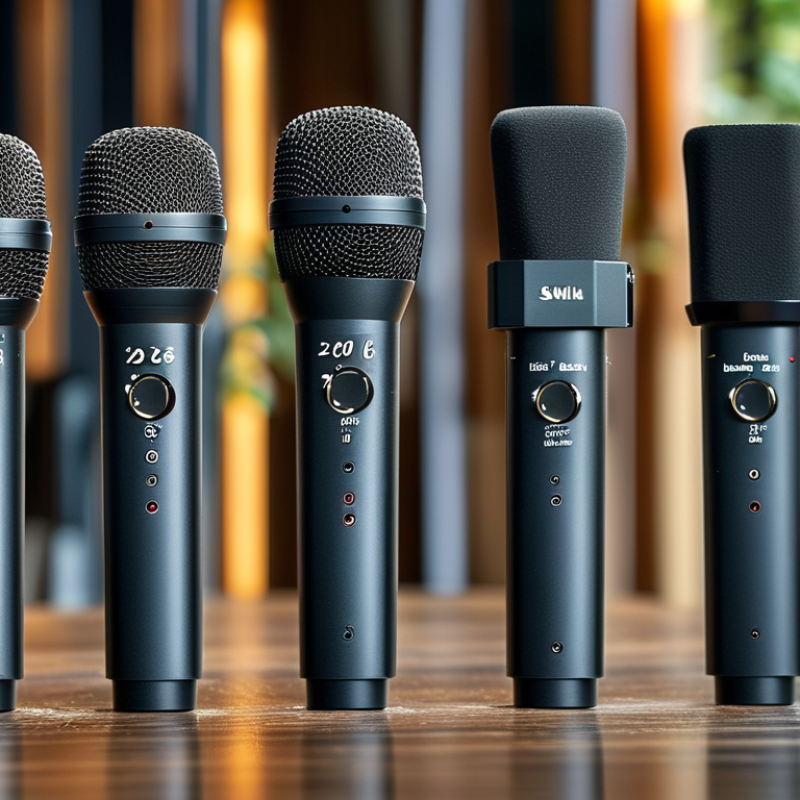
A wireless lapel microphone is a compact clip-on device for capturing speech near the speaker’s mouth. It is also called a lavalier microphone. The microphone capsule changes your voice into an electrical signal. A small transmitter then sends that signal through radio communication to a receiver. The receiver connects to a camera, phone, computer, or audio recorder. No cable runs between the speaker and recording device.
Most systems use digital 2.4 GHz transmission or other approved radio bands. Digital processing can reduce background noise and maintain stable voice quality, but it cannot remove every problem. Walls, crowded venues, nearby wireless equipment, and low batteries may cause dropouts. During a practical test, speaking six inches from the microphone often produced clearer audio than speaking directly into the room. Clothing friction remained noticeable. That detail is easy to overlook.
Global buyers should check connector type, operating frequency, charging method, and device compatibility. USB-C may suit newer phones, while some cameras require a 3.5 mm input. A receiver with monitoring output helps detect distortion before recording. Local radio rules also matter because permitted frequencies differ between countries. My early assumption was that a longer wireless range always meant better performance. It was wrong. Reliable pairing, sensible gain control, and a secure clip usually matter more in real interviews. A short indoor test can reveal more than a specification sheet.
For global buyers, the best wireless lapel microphone depends on the recording environment, not only the advertised range. Compare transmission stability in crowded offices, classrooms, and outdoor streets. A reliable system should maintain clear speech without noticeable dropouts. Test latency during live interviews, because delayed audio can make conversation feel unnatural. Battery life also matters. Aim for a full working day, with charging indicators that are easy to read.
Check microphone sensitivity, noise reduction, and the included windscreen. Strong noise filtering can improve speech, but excessive processing may make voices sound thin or artificial. Omnidirectional capsules capture natural movement, while directional designs can reduce nearby noise. Confirm connector compatibility with cameras, phones, and computers before purchasing. Local wireless frequency rules may differ, so buyers should verify permitted operation in their region. Specifications can mislead. Real testing is better.
Tips: Clip the microphone about 15 centimeters below the speaker’s mouth. Keep fabric from rubbing against the capsule. Record a short sample before an important session. Compare speech at low and high volume. Inspect the charging case, cable quality, and clip strength after repeated use. Water resistance is useful for outdoor work, but it does not replace careful handling. I still prefer a slightly shorter range when stability is stronger. No microphone is perfect. Availability of support, replacement parts, and clear warranty terms can reveal how dependable the supplier may be.
2026 Best Wireless Lapel Microphone for Global Buyers
The best wireless lapel microphone type depends on venue, spectrum rules, and speaking distance. According to Grand View Research’s 2024 market analysis, the wireless microphone market is expected to grow at roughly 7% annually through 2030. That growth reflects demand from training, livestreaming, interviews, and mobile production.
Digital 2.4 GHz systems suit creators who need quick setup and compact receivers. They often pair with phones, tablets, or cameras. However, crowded venues can create interference. UHF systems usually offer longer range and stronger penetration through walls. They need more careful frequency planning. DECT-based systems can provide stable performance in professional spaces, but local availability and equipment compatibility require checking. Keep it simple.
For global buyers, frequency compliance matters more than advertised range. The FCC, Ofcom, and ETSI publish different regional requirements, so buyers should confirm permitted bands before importing equipment. A practical test includes walking 30 meters, turning away from the receiver, and rubbing the microphone against a shirt collar. Listen for dropouts and fabric noise. Battery endurance also deserves attention. A 2024 report from MarketsandMarkets identifies battery life, miniaturization, and digital transmission as important market development factors. Still, published range figures often assume open outdoor conditions. Indoor results may be weaker. That is where many product comparisons become too optimistic. A reliable choice should match the user’s country, clothing style, camera input, and real working distance.
| Wireless Type | Typical Operating Band | Typical Practical Range | Typical Audio Latency | Typical Battery Runtime | Receiver Connection | Key Advantages | Important Limitations | Best-Fit Global Applications |
|---|---|---|---|---|---|---|---|---|
| 2.4 GHz Digital | 2.4 GHz ISM band | Approximately 30–100 m in open areas; less indoors | Usually below 20 ms, depending on system design | Approximately 5–12 hours per charge | USB-C, 3.5 mm TRS/TRRS, or direct mobile-device receiver | License-free in many countries, compact receivers, digital audio transmission, easy setup, and broad suitability for cameras and mobile devices | Shares spectrum with Wi-Fi and Bluetooth; range and reliability can decrease in crowded wireless environments | Content creation, online teaching, interviews, mobile video, presentations, and travel |
| UHF Analog or Digital | Country-dependent UHF television or professional audio ranges | Approximately 50–150 m with suitable antennas and clear line of sight | Analog systems can be near real time; digital systems commonly range from approximately 2–10 ms | Approximately 6–12 hours using replaceable or rechargeable batteries | 3.5 mm, XLR, or professional camera outputs | Long operating distance, strong performance for stage work, and the possibility of coordinated multi-channel systems | Frequency rules differ by country; some bands require licensing or coordination; analog systems may be more vulnerable to interference | Live events, broadcast production, worship services, theaters, and large venues |
| Bluetooth | 2.4 GHz ISM band | Typically 10–30 m for reliable audio use, depending on device class and obstacles | Often higher than dedicated microphone systems; may be noticeable for live monitoring | Approximately 4–10 hours per charge | Bluetooth-enabled phone, tablet, computer, or receiver | Simple pairing, wide consumer-device compatibility, and no separate receiver for compatible devices | Latency, codec compatibility, connection management, and limited multi-microphone support can affect professional use | Voice notes, video calls, casual mobile recording, language practice, and personal use |
| DECT | Region-specific DECT bands; commonly around 1.9 GHz in many markets | Approximately 50–100 m indoors or more in open areas, depending on local conditions | Generally low and suitable for conversational audio | Approximately 8–12 hours per charge | Dedicated base station or receiver, usually with analog or digital audio output | Good resistance to common 2.4 GHz congestion, stable digital voice transmission, and efficient frequency management | Availability and permitted frequencies vary by region; less common for compact creator kits | Conferences, guided tours, education, corporate training, and multi-user communication systems |
| Digital Proprietary Low-Latency | Usually 2.4 GHz or another locally permitted digital band | Approximately 50–120 m in open areas, depending on antennas and transmit power | Commonly below 10 ms when optimized for live audio | Approximately 6–15 hours per charge | USB-C, 3.5 mm, XLR, or camera-compatible receiver | Low delay, strong signal processing, automatic pairing, and advanced features such as gain control or safety tracks | Features and compatibility differ between systems; some receivers work only with their matched transmitters | Professional video, livestreaming, documentary work, hybrid events, and commercial production |
2026 Best Wireless Lapel Microphone for Global Buyers
How to Choose the Right Microphone for Different Uses
Choosing a wireless lapel microphone starts with the situation, not the advertised range. For online teaching, prioritize clear speech, stable pairing, and comfortable wear during long lessons. A presenter filming outdoors needs wind protection, dependable battery life, and a receiver that fits the camera or phone. For interviews, dual microphones can save time when two people move around a table.
I have found that small details often decide recording quality. Test clothing noise by walking, turning, and touching the cable area. Check whether the microphone supports your device before buying. USB-C, Lightning, and camera connections are not interchangeable. In crowded venues, digital transmission may help, but walls and nearby wireless equipment can still reduce reliability. No system is perfect.
Tips: Match the microphone to the speaker’s distance and movement. Keep the capsule 15–20 centimeters from the mouth. Use a furry windscreen outdoors. Record a short sample before the real session. Listen with headphones. A visual meter alone can mislead you. For international buyers, confirm frequency rules, charging compatibility, warranty support, and replacement access in your country. A lower price may become expensive when spare parts are unavailable.
How to choose the right microphone for different uses. The chart shows practical minimum battery-runtime targets for common wireless lapel microphone applications.
These planning benchmarks help buyers compare microphone suitability by workflow. Actual runtime varies with transmission power, rechargeable battery capacity, temperature, and usage conditions.
Global buyers should treat compatibility as a specification, not a slogan. Grand View Research estimates the wireless microphone market reached about USD 2.5 billion in 2023, with continued growth through 2030. That growth brings more choices, but also more mismatched connectors and frequencies.
Regulations deserve equal attention. In the United States, wireless microphone frequencies must follow current FCC allocations. European countries may permit different license-free bands, including 863–865 MHz, but local conditions can vary. The United Kingdom also applies its own spectrum guidance.
Verify the destination country before payment. Do not rely on a marketplace description alone. I have seen “global” kits fail because their advertised frequency was unavailable locally.
Pricing reflects more than signal range. Basic systems commonly sell below USD 100, while reliable dual-transmitter kits often cost USD 200–600. Future Market Insights reports strong demand for compact wireless audio, especially in content creation and remote production.
Still, higher prices do not guarantee better speech. Test background noise, clothing rustle, battery endurance, and receiver stability.
A practical buyer should request return protection, published operating bands, and measured latency. I still prefer a simple wired backup, because real-world interference is easy to underestimate.