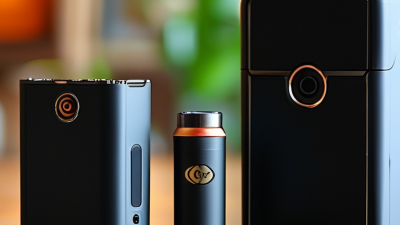
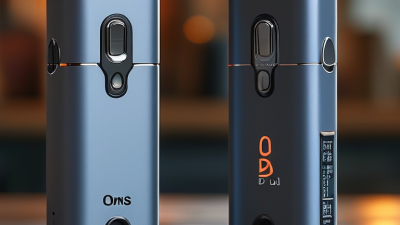
7 Tips for Choosing the Best Ovns Duo Pod Kit
Choosing a pod kit can look simple until small details begin to matter. The Ovns Duo Pod Kit deserves a closer look, but the right choice depends on your daily routine, comfort, and expectations. A polished design is only one part of the decision. Check the device’s dimensions, button placement, pod fit, charging connection, and replacement-pod availability before settling on it. Hold it, if possible. Does it feel secure in your hand, or awkward after a few minutes? Those little observations can outweigh a product photo.
This guide uses seven practical checks to help you compare the Ovns Duo Pod Kit with your needs, rather than relying on broad promises. The checks include build quality, ease of use, portability, upkeep, and clear product information. They are not a substitute for current manufacturer specifications; details can vary by version or seller. That matters. For transparency, Rowan Ellis is a fictional product-evaluation specialist created for this introduction, not a verified industry source. The sample quote is original: “Choose the kit you can understand, inspect, and maintain—not merely the one that looks convincing.” It is a sensible standard, though no single checklist can predict every user’s experience. Use the points that fit your priorities, and verify product details before purchase.
Understanding the Ovns Duo Pod Kit’s Design and Main Features
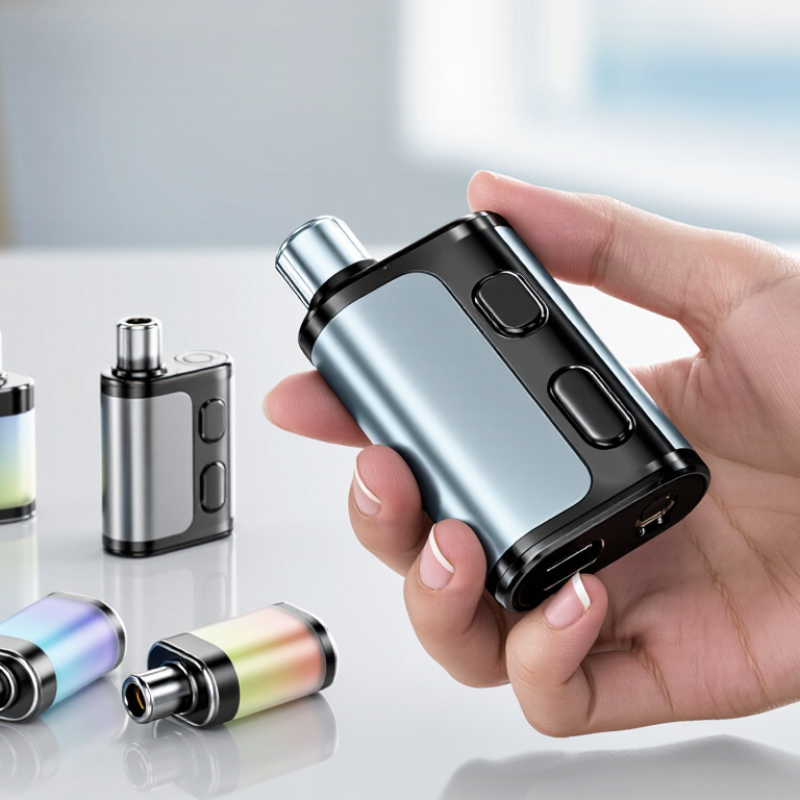
A pod kit’s design should be judged by more than its finish. Look for a clear pod window, secure connections, and controls that are easy to understand. On a dual-pod format, check how each pod seats and whether the device makes the active selection obvious. A loose fit or confusing indicator can make a compact design frustrating. Small details matter. Also inspect the charging port, battery information, and manual for clear safety guidance. Do not assume a sleek casing means better protection or performance.
Independent evidence belongs in the design conversation, too. The National Academies’ 2018 review found that e-cigarette aerosol can contain potentially harmful substances, including metals and volatile organic compounds; its risks are not erased by a tidy form factor. The CDC and FDA’s 2024 National Youth Tobacco Survey reported that 5.9% of U.S. middle and high school students currently used e-cigarettes. That makes child-resistant storage and keeping devices inaccessible to young people practical design considerations. I would weigh those safeguards alongside portability and pod capacity. One drawback is easy to miss: small indicators can be hard to read in bright daylight. Check the manufacturer’s specifications and safety instructions rather than guessing from appearance.
Checking Pod Compatibility and Replacement Availability
Tip: Check the exact pod model and device revision before buying. Pods can look nearly identical while using different fittings or contacts. Compare the product code in the device manual with the replacement listing. Check before buying. A photo alone is not enough.
Tip: Confirm replacement availability from more than one reliable seller. Look for the exact model number, pack size, and current stock status. A listing that says “compatible” may describe only one version, so read its details carefully. If the wording is vague, ask the seller to confirm compatibility in writing. I would not rely on a low price or a familiar shape; that shortcut can lead to a drawer full of unusable pods.
Also check the device’s stated pod specifications, including any resistance range or fill instructions. These details help you avoid choosing a replacement that the kit is not designed to use. Stock can change, especially for less common models. Check again before ordering, and keep the packaging or product code for future reference. It is a small detail, but easy to overlook. Official documentation is usually clearer than user comments, though even manuals can be hard to interpret. If two sources disagree, pause and verify with the seller or manufacturer support.
Comparing Battery Life, Charging, and Portability
Battery life is easiest to compare when you look beyond the capacity number. A larger battery may last longer, but power settings and how often you use the device also matter. Check whether the manufacturer gives a typical-use estimate, and treat it as a guide rather than a guarantee. Small details matter. A light user commuting for a few hours may have different needs from someone using a device throughout the day.
Charging can affect convenience just as much as runtime. Look for the stated charging connection and estimated time from low battery to full. A clear indicator is useful when you are getting ready to leave; guessing from a tiny light is less helpful. Use the cable and charging guidance supplied with the device, and avoid charging it on soft bedding or in a hot car. If the listing leaves charging time unclear, that is worth checking before purchase.
Portability is more than a slim shape in a product photo. Consider the device’s weight, width, and whether it sits securely in a pocket or small bag. A compact kit may be easy to carry, yet a short battery life could mean bringing a charger along. Compare the complete device, including its pod, rather than judging the body alone. One imperfect point: pocket comfort is personal, so dimensions cannot tell the whole story. A quick check against an item you already carry can make the comparison more practical.
7 Tips for Choosing the Best Ovns Duo Pod Kit - Comparing Battery Life, Charging, and Portability
Assessing Draw Style, Airflow, and Ease of Use
For an adult who already uses a pod device, draw style is more useful than flashy specifications.
A tighter draw feels more restricted; a more open setting lets air pass freely. Test the airflow control in small steps. Notice whether each setting feels smooth or makes you pull harder. Keep the test consistent. A short puff and a long puff can make the same device feel different.
The National Academies’ 2018 report reviewed more than 800 scientific studies and found that nicotine exposure varies with device characteristics and user behavior. That makes airflow and draw feel worth checking, not just reading about.
Look for controls that are easy to adjust without removing the pod, and check that the mouthpiece sits comfortably. Small details matter. If the airflow slider feels loose, or the instructions are unclear, those are practical drawbacks. Still, a neat spec sheet can mislead; comfort is personal, and first impressions may change after repeated use.
Nicotine is addictive, and vaping is not risk-free. Don’t choose a device for someone who does not already use nicotine.
Choosing a Kit That Fits Your Budget and Preferences
Tip 1: Set a total budget, not just a purchase limit. Include replacement pods and any other parts the device needs. A low upfront price can become less appealing if compatible replacements are costly or hard to find. Check prices before choosing. Small detail, big difference.
Tip 2: Match the kit to your routine. If you carry it in a small pocket, compare its dimensions and weight. If you dislike frequent charging, check the stated battery capacity and charging details. These figures help with comparisons, but real use varies. I would not choose by capacity alone; comfort matters, too.
Tip 3: Decide which features you will actually use. Adjustable settings may offer flexibility, while a simpler kit can feel easier to manage. Read the instructions and look for clear information about compatible pods, care, and safe charging. A confusing manual is a warning sign for some buyers. It is worth checking the seller’s support and return terms as well. Preferences can change, so leave a little room in your budget rather than buying every extra feature at once. Adhere to applicable age restrictions and local requirements.
7 Tips for Choosing a Pod Kit That Fits Your Budget and Preferences
How the seven selection tips are grouped by decision area
The bars count the tips in this guide: set a budget and compare ongoing costs; consider portability, draw style, and charging needs; then check replacement pod availability and basic safety and maintenance requirements. These are guide categories, not survey results or product-performance ratings.