How to Create a Soothing Atmosphere for Your Workspace?
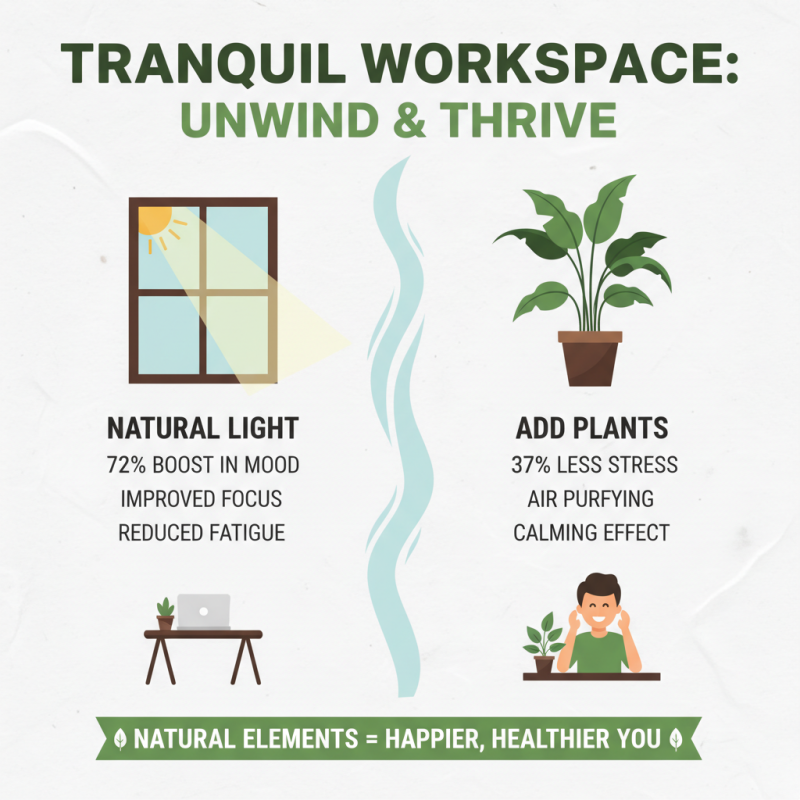
Creating a soothing atmosphere in your workspace can significantly enhance productivity and well-being. A calm environment fosters focus and minimizes stress. It's essential to consider various elements that contribute to serenity. For instance, incorporating natural light can uplift spirits. Soft colors on the walls also play a vital role.
The right scents, like lavender or citrus, can further cultivate a soothing atmosphere. Sounds of nature, such as gentle rain or birds chirping, can also make a difference. However, creating the perfect atmosphere is not a one-size-fits-all solution. It may require trial and error.
Remember, a soothing atmosphere is about balance. Too many distractions, even if intended to calm, can become overwhelming. Reflect on what truly helps you relax. This introspection is crucial in developing a workspace that not only looks good but feels good. Strive to turn your work environment into a haven of tranquility.
Choosing the Right Color Palette for a Calming Workspace
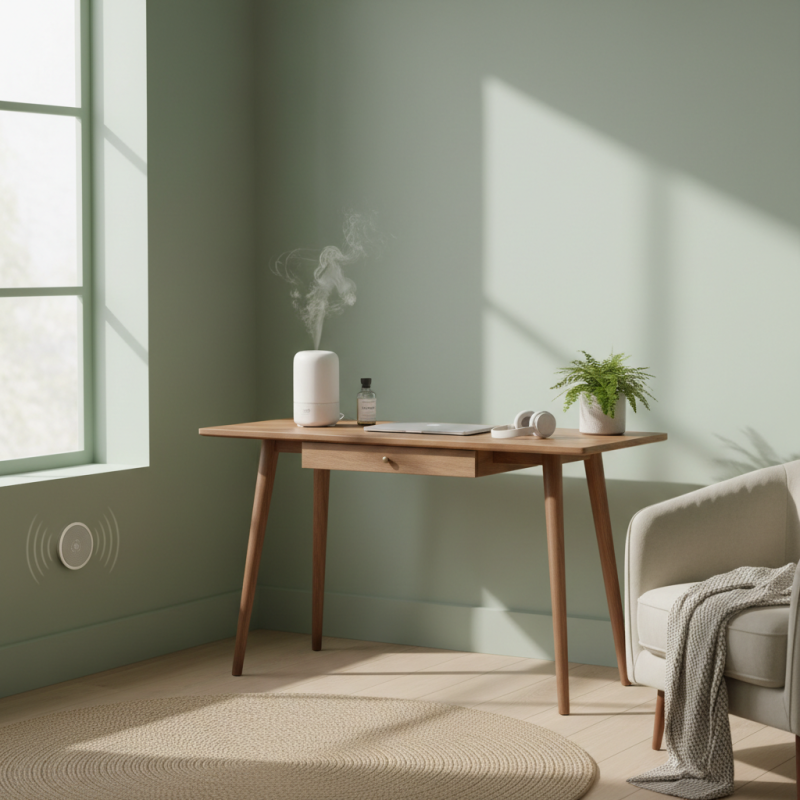
Choosing the right color palette for your workspace can significantly impact your mood and productivity. Colors evoke feelings and reactions. Soft greens and blues often create a calming effect. These hues remind us of nature, promoting serenity and focus. On the other hand, muted earth tones can instill warmth and comfort, making the environment more inviting.
When selecting colors, think about how they make you feel. Bright colors like yellow and orange can inspire creativity. However, too much stimulation can lead to distraction. Balance is vital. Test paint swatches on the walls. Observe how they look at different times of the day. Lighting changes everything.
It’s important to consider personal preference. Not everyone finds the same color soothing. Reflect on your experiences with colors in the past. Do they energize you or soothe you? Create a workspace that feels supportive and motivating, yet also allows for moments of calm. Your workspace should reflect your personality while nurturing tranquility.
Selecting Comfortable and Ergonomic Furniture for Relaxation
Creating a soothing atmosphere in your workspace begins with ensuring your furniture is both comfortable and ergonomic. Choosing the right chair is crucial. It should provide lumbar support to prevent back pain. Upholstery made from breathable fabrics can enhance comfort over long periods. Height adjustability is essential. Your feet should rest flat on the floor. An under-desk footrest can make a positive difference.
Desk height also matters. A desk that’s too high or too low can cause strain. A sit-stand desk could be a thoughtful investment. It allows you to change your position throughout the day. Adding accessories like cushion pads for your wrists when typing can reduce tension. You might need to experiment with your setup to find the ideal configuration.
Lighting plays a significant role as well. Consider soft, indirect lighting which creates a calming effect. Avoid harsh, direct lights that can cause headaches. Not everyone realizes the importance of these details until discomfort arises. It's worth noting that even small changes can lead to a more inviting workspace. Remember to listen to your body and make adjustments as needed. Your workspace should be a place of peace, not pain.
How to Create a Soothing Atmosphere for Your Workspace? - Selecting Comfortable and Ergonomic Furniture for Relaxation
| Furniture Type |
Material |
Adjustability |
Comfort Rating |
Aesthetic Appeal |
| Office Chair |
Mesh |
Height, Recline |
9/10 |
Modern |
| Standing Desk |
Wood |
Height |
8/10 |
Rustic |
| Desk Lamp |
Metal |
N/A |
7/10 |
Sleek |
| Footrest |
Plastic |
Fixed |
8/10 |
Simple |
| Cushioned Mat |
Foam |
N/A |
9/10 |
Comforting |
Optimizing Lighting to Reduce Strain and Promote Focus
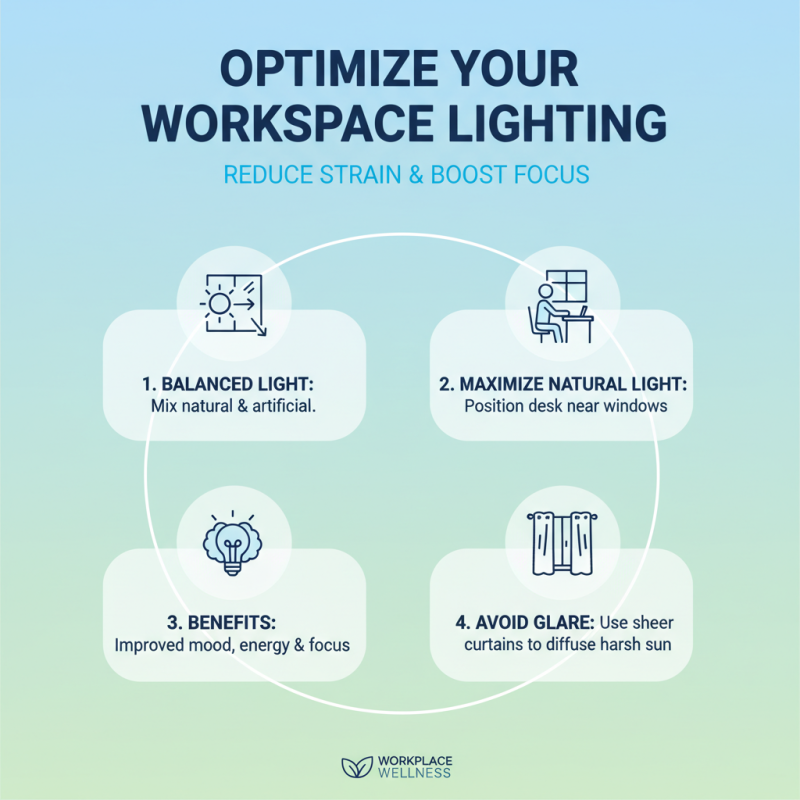
Creating an ideal workspace involves careful consideration of lighting. Poor lighting can lead to eye strain, fatigue, and a lack of motivation. Aim for a balanced blend of natural and artificial light in your environment. Natural light boosts mood and energy levels. Position your desk near windows whenever possible. However, too much sunlight can create glare. Use sheer curtains to diffuse harsh rays.
Artificial lighting also plays a crucial role. Soft, warm light is often more relaxing than bright white bulbs. Use desk lamps with adjustable settings to find your perfect level of brightness. Dimmer switches can offer versatility throughout the day. A comfortable workspace is not just about aesthetics; it's about how light influences your focus and well-being.
Consider color temperature as well. Warmer tones, around 2700K, create a calming effect, while cooler tones, like 5000K, enhance alertness. Striking a balance is key. Too bright can be distracting, while too dim can hinder concentration. Evaluate how different lighting affects your mood and productivity. Adjust based on your needs and tasks. Your workspace should evolve as you do.
Adding Personal Touches for a Sense of Comfort and Belonging
Creating a workplace that feels personal can significantly boost comfort and productivity. Start by adding meaningful decor. Photos of loved ones, travel memories, or art that inspires you can transform a sterile space. Choose items that resonate with your personal journey. A few decorative plants can also breathe life into your surroundings, making your workspace feel warmer and more inviting.
Think about textures too. Incorporate a cozy blanket or soft cushions on your chair. These elements offer not just comfort but serve as gentle reminders of home. If there’s a specific scent that calms you, consider a small diffuser. However, be mindful of your colleagues’ preferences. Sometimes, the smell enhances a soothing atmosphere, while other times it can be distracting.
Even your desk organization can reflect your personality. Use vibrant notebooks or quirky stationery that makes you smile. Yet, be aware of clutter. A clean workspace can help clear the mind. Balance is key. Infuse your workspace with personal touches, but keep an eye on functionality. It’s about creating comfort without compromising productivity.
Soothing Elements in Workspaces
This chart illustrates the impact of various soothing elements on the comfort level within a workspace. As shown, natural light and plants contribute the most to creating a calming environment.