7 Tips for Global Buyers Choosing Maskking Vape Suppliers
Global sourcing can look straightforward on a product page, but supplier selection needs more careful checks. For buyers considering Maskking Vape products, a clear price is only one part of the decision. Product specifications, quality procedures, and communication practices also deserve attention. Details matter.
A dependable supplier should be able to provide current, consistent product information and explain how orders are checked before dispatch. Buyers can ask about sample availability, packaging standards, batch identification, shipping timelines, and support for damaged or incomplete orders. Keep records of replies and documents. They make comparisons easier, especially when several suppliers use similar claims. If an answer is vague, ask again; do not treat confidence as proof.
Requirements for vaping products differ between markets and can change. Buyers should independently confirm product eligibility, import rules, labeling requirements, and any other applicable standards with qualified local sources before placing an order. A supplier’s assurance is not a substitute for that review. This article’s seven tips will help global buyers assess documentation, product consistency, pricing, logistics, communication, and after-sales support in a practical way. No checklist can remove every risk. I would still pause when an offer seems unusually favorable or a basic question receives no clear answer. A little friction now can prevent costly surprises later.

Understanding Maskking Vape Suppliers and Product Categories
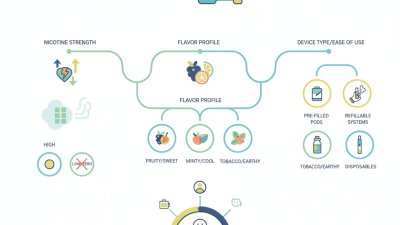
Understanding a supplier’s product range is more useful than scanning a catalog full of similar-looking devices. Common categories include disposable units, closed pod systems, and refillable devices. Each serves different needs. Disposable products are simple to handle, while pod systems rely on replaceable cartridges. Refillable models require more user maintenance. Buyers should confirm which categories are available for their intended market and customer age group.
Product details deserve close attention. Ask for clear specifications covering dimensions, battery capacity, charging method, materials, and package contents. For pod products, check cartridge compatibility and whether replacement pods are supplied separately. For refillable devices, examine tank capacity and the included instructions. Small differences can affect shipping, storage, and customer support. Ask for samples and compare them with the written specifications. Paperwork can look tidy. The device still needs inspection.
A reliable supplier should explain category differences without vague claims and provide consistent product records. Request current test documents, batch identification details, and a written process for handling defects. Check whether samples match later production orders; this is easy to overlook. Packaging matters too: labels should be legible, and cartons should protect products from damage during transit. One point may remain unclear, even after careful checks. Record open questions, compare answers, and avoid treating a broad catalog as proof of quality.
Checking Regulatory Compliance in Your Target Markets
A low price is not enough if a product cannot be sold in your destination market. Check how local authorities classify the specific device and its components. Requirements may differ between neighboring countries, and rules can change. Confirm current details through official regulator guidance or qualified local counsel.
Ask suppliers for market-specific documents, not a generic compliance statement. Review test reports, ingredient and materials records, labeling samples, packaging details, and import documentation. Match each file to the exact model and production batch. Details matter. Check that reports come from a competent laboratory, show relevant test methods, and remain current. A certificate alone does not prove that every shipment meets local requirements.
Inspect practical details, too. Do labels use the required language, warnings, and product information? Are age-control and retail restrictions reflected in the supplier’s procedures? Request traceability records and ask how defects or regulatory updates are handled. A supplier’s checklist may be out of date; that happens. Compare its claims with official sources, record unanswered questions, and pause orders until important gaps are resolved. Keep checking.
Assessing Product Quality, Authenticity, and Safety Standards
Global buyers should ask suppliers for batch-specific test reports, not a generic certificate. Check that the report names the exact model, test date, laboratory, and measured results. ISO/IEC 17025 accreditation can help verify a lab’s competence, but it does not prove every product batch is safe. Small detail, big difference.
Battery controls deserve close attention. A 2017 U.S. Fire Administration review recorded 195 e-cigarette fire and explosion incidents from 2009 to 2016, including 133 injuries and 38 severe injuries. Ask for evidence of battery protection, charging tests, and clear handling instructions.
The National Academies’ 2018 review also found that some e-cigarette aerosols contain metals, including nickel, tin, and lead. Request independent testing for emissions and material quality, with results tied to the product being purchased.
Authenticity checks should be practical. Compare serial numbers, packaging details, and supplier records across sample units and shipment cartons. Confirm that certificates can be verified directly with the issuing laboratory. A polished PDF is not enough. I would also inspect one unit from a production batch, because paperwork can miss loose connectors or inconsistent seals. Perfect documentation helps, but it cannot replace careful verification.
Comparing Supplier Capacity, Pricing, and Delivery Options
Compare suppliers on verified output, not catalog size. Ask for monthly capacity, current order backlog, and lead time for a repeat batch. Request recent production records and a sample; check labeling, packaging, and batch consistency. A low quote means little if stock is not ready. Tip: Ask what happens when a production run slips.
For pricing, compare the same order quantity and delivery terms. Separate unit cost, setup fees, inspection, freight, insurance, and any import charges. The World Bank’s 2023 Logistics Performance Index reports an average 44 days for international shipments to travel from the exporting country to the importing country. Treat that as a broad benchmark, not a promise. Even a tidy spreadsheet can hide fees. Recheck the assumptions.
Delivery options matter as much as the quoted dispatch date. Ask for a dated production schedule, tracking milestones, and a clear process for delays or damaged cartons. Confirm that the product and shipping route meet the requirements of your destination market. Tip: Compare one air and one ocean quote, including door-to-door timing and fees. Keep the supplier’s written answers. They may still miss a deadline, but documented commitments make comparisons more reliable.