Why Does RGB Glare Affect Your Viewing Experience?
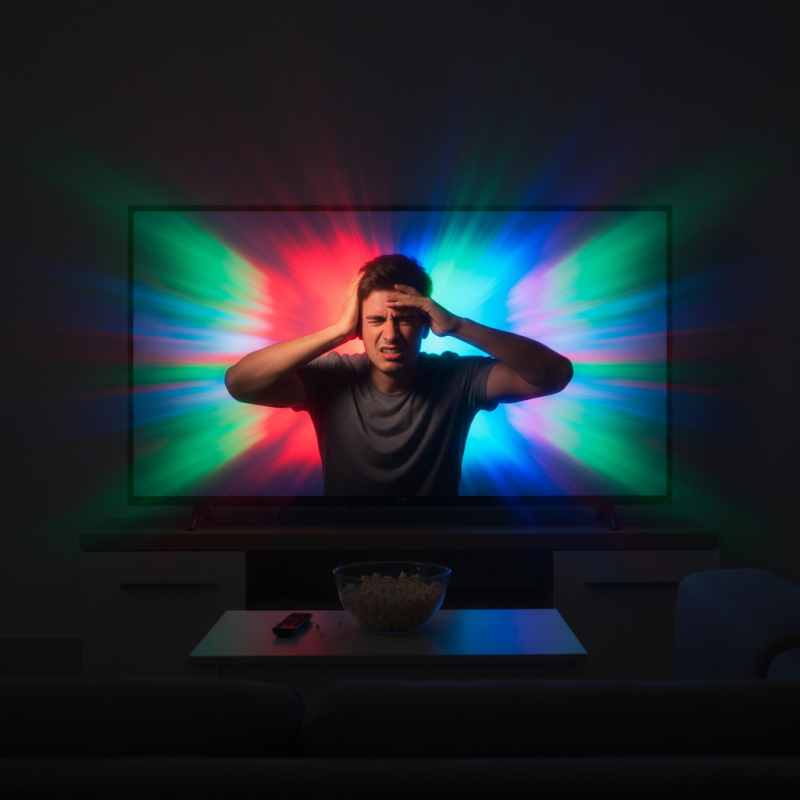
RGB glare is an often-overlooked aspect of our viewing experience. It occurs when bright colors overwhelm the eyes. This overload can lead to discomfort and reduce visual clarity. Environments with high levels of RGB glare can be distracting, making it hard to focus.
Consider watching a movie or playing a video game. If the screen is too bright with flashing colors, enjoyment diminishes. The vibrant hues may create a chaotic atmosphere. Viewers might find themselves squinting, leading to fatigue. It's a struggle to balance brightness and comfort.
Reflecting on this, we realize that RGB glare is more than just a technical issue. It impacts daily activities and overall comfort. To enhance experiences, we need to consider how colors affect our perception. Finding the right balance in lighting and color is essential for optimal viewing.
Understanding RGB Glare: Definition and Importance
RGB glare can significantly impact your viewing experience. Understanding its definition is essential. RGB glare occurs when bright colors clash with darker backgrounds. This phenomenon can be distracting and even uncomfortable. It affects how we perceive images on screens, leading to eye strain and reduced enjoyment.
Tips: To minimize RGB glare, adjust the brightness of your screen. Sometimes, lowering the intensity helps. You might also try using a matte screen filter. These filters can soften harsh lights and improve comfort. Position your screen correctly to avoid direct light sources. This simple adjustment can make a noticeable difference.
It’s important to recognize that not everyone experiences RGB glare the same way. Some may find it overwhelming. Others may adapt easily. Pay attention to your personal comfort levels. Noticing how different settings affect you can lead to better viewing habits. Remember, being aware of RGB glare is the first step toward a better viewing experience.
The Science Behind RGB Glare: How It Affects Vision
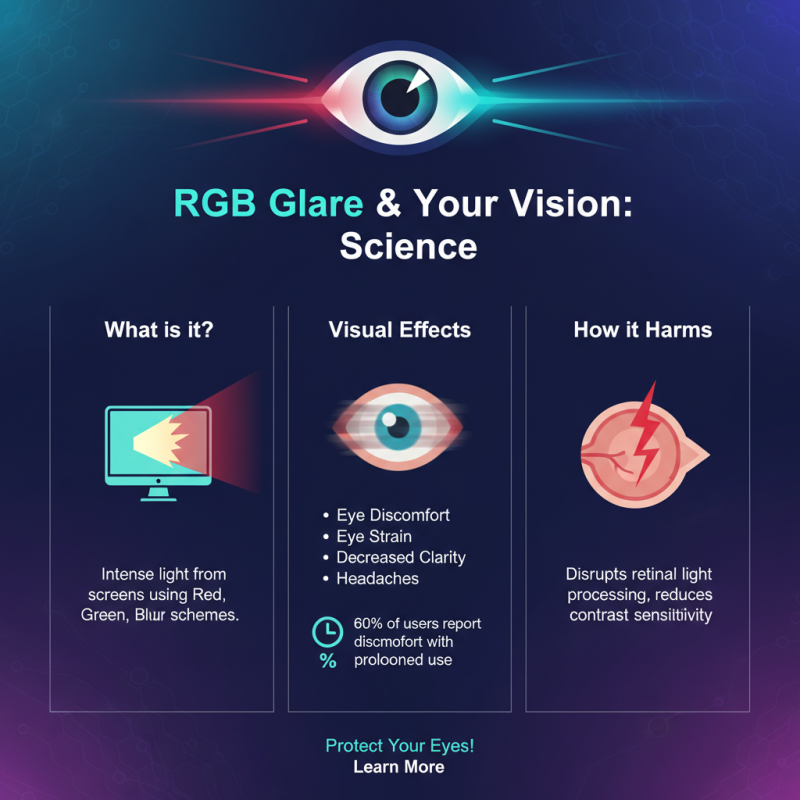
RGB glare can significantly alter your viewing experience. It results from the intense brightness emitted by screens that utilize RGB color schemes. This glare can cause discomfort and strain on the eyes, leading to decreased visual clarity. Research indicates that 60% of users experience eye discomfort due to RGB glare when exposed for extended periods.
The science behind this lies in light wavelengths. Blue light, emitted from RGB screens, can be particularly harsh. A study revealed that blue light can contribute to digital eye strain, making vision blurry. Many people often overlook the impact of screen brightness on their eyes. A stark difference in light intensity can hinder focus and cause fatigue.
Tip: To minimize RGB glare, adjust your screen settings. Reducing brightness can alleviate strain. Also, consider using anti-glare screen protectors. Taking regular breaks can help your eyes reset. Don’t overlook these simple changes; they can improve your comfort and focus. Your eyes deserve it.
Types of RGB Glare and Their Impact on Viewing Experience
RGB glare can significantly alter how we perceive visual content. One main type arises from bright, colorful lights. It often creates a halo effect around objects. This distraction can lead to frustration, especially while watching movies or playing games. These vibrant colors, while appealing, can overshadow finer details on the screen.
Another type of RGB glare occurs from reflections on various surfaces. Glossy screens and furniture can amplify this issue. The reflections distort colors and shapes, making it hard to focus. This challenge can lead to eye strain. The intense colors might dazzle our eyes, affecting comfort and concentration. Users frequently overlook this aspect, only to feel the aftereffects later on. It’s essential to evaluate how lighting and surfaces interact with our viewing screens.
Why Does RGB Glare Affect Your Viewing Experience? - Types of RGB Glare and Their Impact on Viewing Experience
| Type of RGB Glare |
Description |
Impact on Viewing Experience |
| Color Fringing |
Occurs when colors bleed into one another, causing vibrant edges. |
Can distract viewers and reduce clarity in images. |
| Halo Effect |
A bright outline around objects against a dark background. |
Can create an artificial look, leading to viewer discomfort. |
| Ghosting |
Faint images appearing next to original objects, often in different colors. |
Can diminish focus and clarity, reducing overall immersion. |
| Light Halos |
Bright glows around light sources in dark scenes. |
Can strain eyes and make it harder to see details. |
| Color Banding |
Poor gradients leading to visible bands instead of a smooth transition. |
Reduces the quality of visual content, impacting realism. |
Mitigating RGB Glare: Techniques and Best Practices
RGB glare can significantly impact your viewing experience. Bright, colorful lights can overwhelm your eyes, reducing contrast and clarity. This effect is especially noticeable in darker environments. To enjoy your screen time, consider mitigating RGB glare with practical techniques.
One effective method is adjusting your ambient lighting. Soft, diffused lights can reduce glare without overpowering your screen. Avoid stark contrasts; the goal is balance. Positioning your monitor at a right angle to any light source also helps to minimize reflections. This simple change can enhance your focus and comfort.
Tips: Use matte screen protectors. They help diffuse bright lights. Another idea is to experiment with your screen settings. Reducing brightness might seem counterintuitive, but it can create a more pleasant viewing experience. Moreover, take regular breaks to give your eyes a rest. Prolonged exposure to intense glare can lead to fatigue, affecting your overall experience. Reflecting on how often glare affects you could provide insights for further adjustments.
Impact of RGB Glare on Viewing Experience
This chart illustrates the impact of different levels of RGB glare on viewer satisfaction scores. As RGB glare increases, satisfaction scores tend to decrease, demonstrating the negative influence of glare on the viewing experience.
Comparative Studies: RGB Glare vs. Other Types of Glare
RGB glare is often more disruptive than other types of glare. It creates a vibrant yet harsh light that can strain our eyes. This type of glare is common in modern screens, especially when viewed in low-light environments. Studies have shown that RGB glare significantly affects visual comfort and performance. The bright, colorful light can lead to quick fatigue.
In contrast, other types of glare, like reflected or direct glare, may be less colorful but can still disrupt focus. Reflected glare bounces off surfaces, while direct glare comes from bright light sources. Both can cause discomfort, but they differ in intensity and visual distraction. RGB glare tends to be sharper and more difficult to adjust to.
**Tip:** Adjust screen brightness to reduce RGB glare. A lower setting often enhances comfort.
Choosing the right ambient lighting is crucial. Soft, warm lights can offset the harshness of RGB glare. However, too much ambient light can also increase reflections and make focus difficult. Finding a balance is key and often requires adjustments based on your environment.
**Tip:** Take regular breaks from screens. Give your eyes time to relax, reducing cumulative strain. This simple practice can make a difference in your viewing experience.