
As we approach 2026, the landscape of garage equipment control is evolving rapidly. Advanced technology is reshaping how garages operate. From efficiency improvements to increased safety, understanding these trends is essential for any business. The integration of automation and IoT in garage equipment control is not just a luxury anymore; it's becoming a standard expectation.
New tools are being developed to streamline vehicle inspections and repairs. This offers greater control over equipment management. However, challenges remain. Many garages struggle with the costs of implementation. Budget constraints can hinder adoption, leaving some shops behind. It’s crucial for leaders to weigh these investments carefully.
Moreover, training staff to adapt to new systems can be daunting. The human element in garage equipment control cannot be ignored. Balancing technology with skilled labor is key to success. Embracing these changes while addressing potential pitfalls will define the future of garage operations.
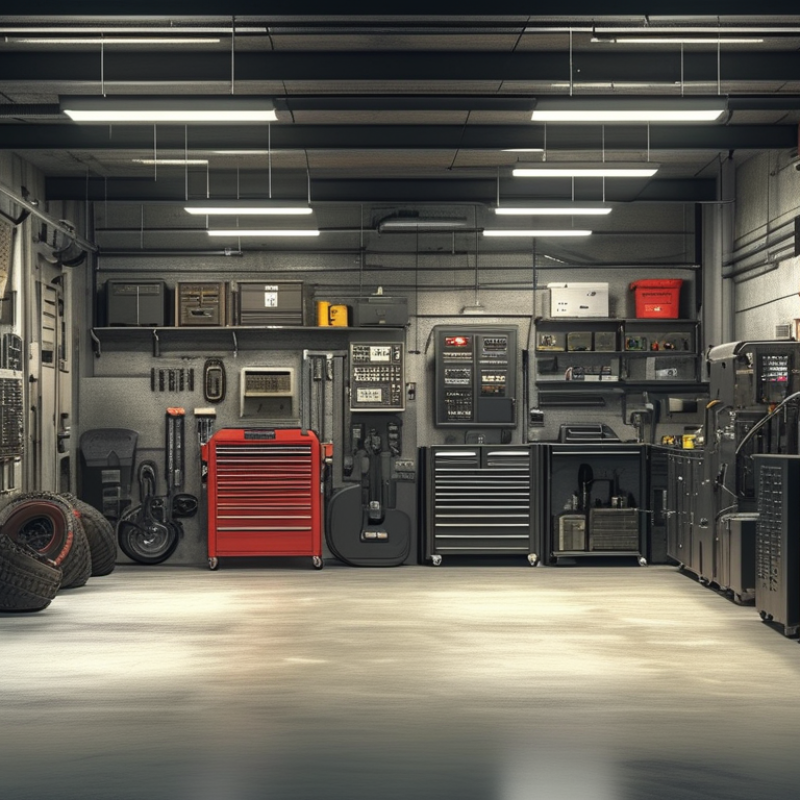
The rise of advanced Internet of Things (IoT) technologies is transforming garage equipment control. With smart sensors and connectivity, equipment can now operate more efficiently. For instance, real-time data helps in monitoring equipment health and predicting maintenance needs. This minimizes downtime and enhances productivity.
While these technologies provide numerous benefits, challenges remain. Security concerns are paramount. As more devices connect, the risk of cyber threats increases. Garage owners must invest in robust cybersecurity measures. Additionally, training staff to use advanced systems effectively can be a hurdle. Adaptation to new technologies requires time and resources.
Moreover, not all innovations are straightforward. The integration of IoT may lead to complexities in systems compatibility. This can frustrate users and cause disruptions. Evaluating each new technology's impact is essential for successful implementation.
Still, the potential of IoT in garage equipment control is undeniable, offering pathways to greater efficiency and reliability.
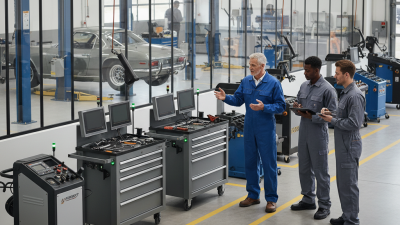
The integration of artificial intelligence (AI) in predictive maintenance is becoming a game changer for garage equipment management. According to a recent industry report, by 2026, nearly 60% of garages will utilize AI-driven systems to enhance operational efficiency. These systems can predict equipment failures before they occur, reducing downtime and maintenance costs significantly. For instance, a simple fault prediction could save garages up to 30% on repair expenses per year.
AI algorithms analyze historical data from equipment sensors. This enables them to identify patterns that precede failures. Mechanics can receive alerts about potential issues, allowing proactive measures to be taken. This shift towards intelligence-driven maintenance is also supported by a study that shows a 20% increase in customer satisfaction when garages adopt predictive maintenance tools.
Tips: Investing in reliable sensors can enhance data accuracy. Staff training on AI tools is crucial to maximize potential. Regularly evaluating AI performance helps in fine-tuning maintenance strategies. While the benefits are significant, integrating AI does have challenges. The initial setup cost can be steep. Moreover, staff may resist new technologies. Addressing these concerns is vital for effective implementation.
The shift towards automation in garage management systems is reshaping the automotive industry landscape. This trend is driven by the need for efficiency and accuracy. Automated systems streamline processes like inventory management and repair scheduling. They reduce human errors, which can significantly impact business operations. Technicians now rely on digital tools to enhance their performance.
Moreover, real-time data access is a key advantage of automated systems. Mechanics can track parts and repairs instantly, leading to faster service. However, embracing technology can be challenging. Some workers resist change due to fear of job loss. Others may feel overwhelmed by new interfaces. Training and gradual implementation can help ease this transition.
Despite these challenges, the advantages of automation are compelling. Efficient garages see improved customer satisfaction and higher profit margins. It's essential to balance technology with human touch. A fully automated system may lack the nuanced understanding that experienced mechanics provide. This delicate balance will determine how successful garages adapt to rising expectations in 2026.
Sustainability is set to reshape garage equipment designs by 2026. As the automotive industry pushes towards greener practices, equipment will need to align with these goals. According to a recent industry report, 75% of shops are prioritizing eco-friendly solutions. This shift reflects a clear demand for energy-efficient tools and recyclable materials, driving innovation in product design.
For garage owners, adopting sustainable practices isn’t just about compliance; it's also about marketability. Many consumers prefer businesses that demonstrate environmental responsibility. In fact, 63% of customers are likely to choose a service based on its sustainability efforts. Investing in energy-efficient lifts and tools can enhance both performance and your reputation.
Tips: Consider integrating solar panels for energy needs. This small change can significantly reduce operational costs. Look for equipment designed with recycled components. It’s a simple yet effective way to contribute to a greener environment. Remember, every eco-friendly choice counts.
As we look toward 2026, enhanced cybersecurity measures for smart garage solutions become critical. With the rise of connected devices, garages now face various cyber threats. Hackers can potentially access personal data or control garage systems. Protecting these systems must be a priority.
Installing robust firewalls and encryption methods is essential. Regular software updates can help close security gaps. Users should be aware of phishing attacks targeting connected devices. Always verify the source before clicking on links related to garage technology.
The importance of security audits cannot be overstated. Regular check-ups can reveal vulnerabilities, allowing for timely action. Also, consider implementing two-factor authentication for added security. This extra layer makes unauthorized access much more difficult. Remember, complacency in security can lead to severe consequences. Adapt and evolve your strategies to stay ahead of potential threats.