What is the Best Wine Opener for Easy Use?
Choosing the right wine opener can enhance your wine experience. A good wine opener is essential for effortless cork removal. Many may overlook its importance.
There are various types available. Each wine opener has unique features suited for different preferences. Some are manual, while others are electric. The ease of use often determines the best choice for you.
Investing in a quality wine opener can save frustration. A poorly designed opener can lead to broken corks or wine spills. Take time to find the one that fits your needs. Remember, enjoying wine is about the entire experience, not just the drink itself.
Types of Wine Openers: A Comparative Overview
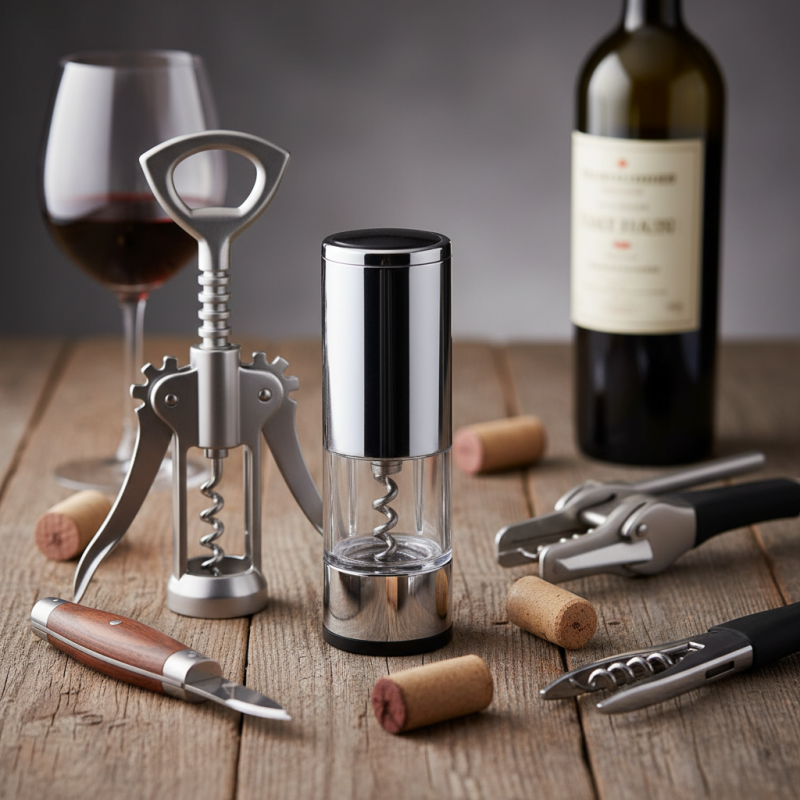
When choosing a wine opener, understanding the types available can simplify your decision. The most common types include corkscrews, winged corkscrews, and electric openers. Each type has its unique features and ease of use.
Corkscrews are manual and require a bit of technique. They often come with a simple spiral design. Mastering it might take some practice, but many people find it satisfying. Winged corkscrews, on the other hand, are more user-friendly. They allow you to pull the cork out effortlessly by pushing down the wings. Ideal for beginners, they provide a good balance of manual and automated features.
Electric openers are a modern solution. They require less effort and work with just the push of a button. However, they need batteries, and those can run out unexpectedly. Consider how often you open wine. If it’s a daily ritual, an electric opener might be the way to go.
Tips: Always check how tightly the cork is fitted. A cork that is too tight can lead to breakage. Don’t rush; take your time when removing a cork, as a gentle touch preserves the wine. If you often host gatherings, practice different methods before the event to impress your guests effortlessly.
Key Features to Look for in an Easy-to-Use Wine Opener
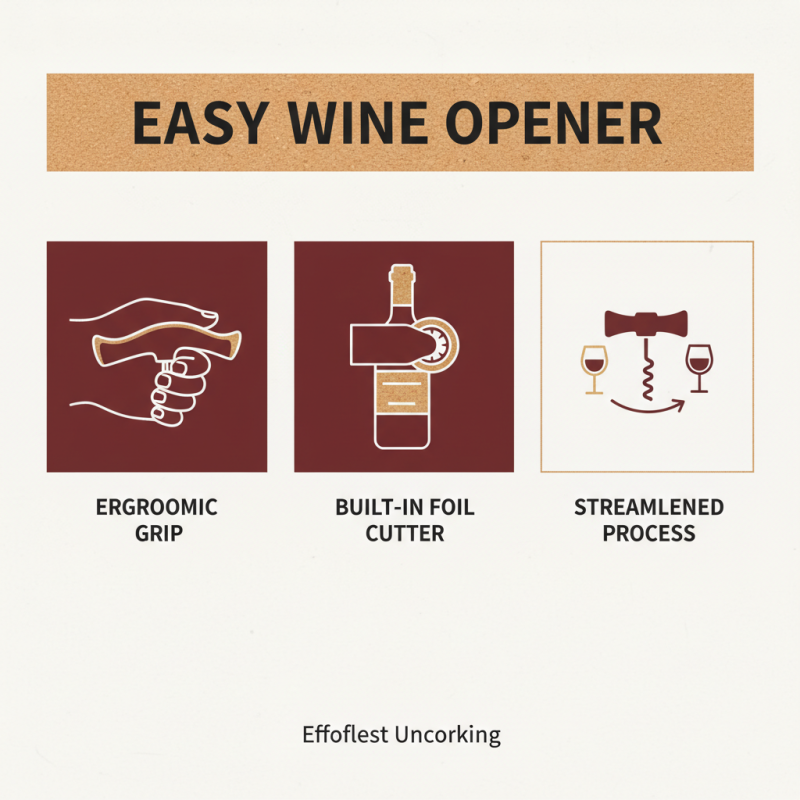
When searching for an easy-to-use wine opener, consider key features that enhance convenience and efficiency. Look for a model that has ergonomic grips. A comfortable handle allows for a firm hold, making the uncorking process smoother. Some designs come with a built-in foil cutter, eliminating the need for extra tools. This combination can streamline the whole experience, especially for those who may struggle with grip strength.
Another important factor is the mechanism. A lever-based opener often requires less physical effort. This type can be beneficial for individuals who want to minimize wrist strain. Additionally, consider the size and weight of the opener. A compact, lightweight option is easier to handle and store. Keep in mind that some openers may look appealing but are hard to use. Always prioritize functionality over aesthetics in your choices.
Lastly, usability can depend on the type of wine bottles in your collection. Standard corks and synthetic corks may behave differently. It can be frustrating if a chosen opener struggles with a particular type. Reflect on your personal preferences and usage frequency. This will guide you toward finding a reliable opener that truly matches your needs.
Step-by-Step Guide to Using Different Wine Opener Types
When it comes to enjoying a bottle of wine, having the right wine opener can significantly enhance the experience. Start with the classic corkscrew. This tool requires some technique. Insert the screw into the cork and gently twist it down. Sometimes, the cork may break or crumble, which can be frustrating. But with a bit of practice, this method can become easier and more efficient.
Another option is the lever wine opener. It's user-friendly and ideal for beginners. Place it on top of the bottle and pull the lever down. Many find this method straightforward. However, some users report that it can be difficult with older corks. This means that reading the cork's condition before using any opener is crucial.
Lastly, consider the electric wine opener. It operates with just the push of a button. This can be very handy, especially for those with wrist issues. Yet, it may not work well with all bottle designs. Different types of openers have their learning curves. Experimenting with them can lead to a memorable wine-opening experience. Each opener tells a story of its own, and sometimes mistakes lead to the best memories.
Top Recommendations for User-Friendly Wine Openers
When it comes to choosing the best wine opener, user-friendliness is key. A good wine opener should feel comfortable in your hand and be easy to operate. Look for models with ergonomic designs. A lever corkscrew is often a favorite among many. Its mechanism allows you to effortlessly extract corks with minimal effort.
Consider a wine opener with a built-in foil cutter. This feature adds convenience. It saves time and prevents unwanted accidents. Some openers even have a non-stick spiral. This can make the cork removal process smoother. Remember to pick a tool that's easy to clean. A quick rinse after use will keep it in good shape.
Tips: Test different models to find what feels right. Don’t hesitate to read user reviews. They can provide insights into long-term usability. If you encounter a cork that breaks, don't panic. Gently push the remaining piece back into the bottle. This can save your wine from spilling. Keep practicing with your opener. Over time, you'll master any awkward moves.
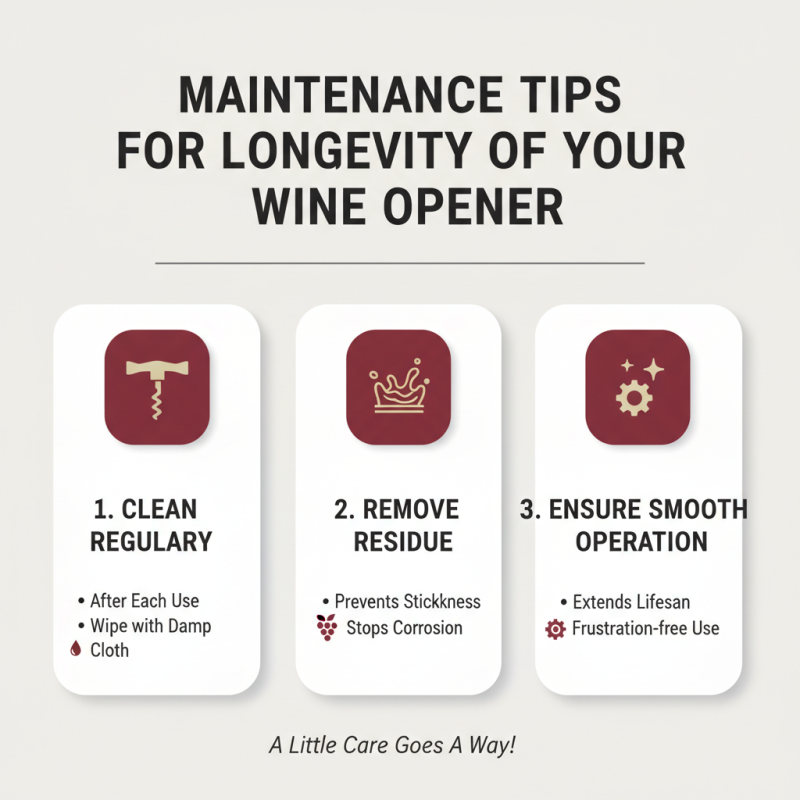
Maintenance Tips for Longevity of Your Wine Opener
Maintaining your wine opener can ensure it serves you well for years. A little care goes a long way. Start by cleaning it regularly. After each use, wipe it down with a damp cloth. This removes wine residue and prevents corrosion. A neglected opener can become sticky and frustrating.
Storage is essential for longevity. Keep your wine opener in a cool, dry place. Avoid areas with high humidity. Harsh conditions can damage moving parts and affect performance. Also, try using a protective case. This prevents scratches and accidental damage.
Check the mechanism periodically. If it becomes stiff, a drop of food-safe oil can work wonders. Ensure the spiral is not bent. A bent spiral can ruin the cork and lead to bits of cork in your wine. Remember, the better your opener is maintained, the easier it will be to use when popping the cork. Regular care can save you from future headaches.