2026 Best Comfortable Taste Products for Global Buyers?
Global buyers are redefining comfort through familiar flavors, gentle textures, and trustworthy ingredients. Comfortable Taste products now reach homes, hotels, workplaces, and travel retail across diverse markets. Yet comfort does not mean identical preferences. A creamy vanilla drink may feel reassuring in London, while roasted sesame or mild citrus may feel more familiar in Seoul or São Paulo.
Dr. Charles Spence, an Oxford sensory scientist, has often explained this principle simply: “We eat with our eyes first.” His research on multisensory eating shows how aroma, color, texture, packaging, and sound can influence perceived enjoyment. This insight matters when buyers compare products beyond price. A warm beige package, a soft snap, or a familiar spice note can create expectations before tasting begins.
The 2026 market will reward careful product design rather than exaggerated claims. Buyers should examine ingredient transparency, allergen declarations, nutrition information, shelf stability, and local compliance. These details build confidence. They also protect consumers with different dietary needs.
Small differences matter.
A successful Comfortable Taste product should feel accessible without becoming bland. It should respect regional traditions while remaining easy to understand. Manufacturers may need quieter sweetness, smoother textures, or smaller trial sizes. However, global formulas can still miss personal and cultural preferences. That weakness deserves honest testing.
This guide explores practical choices for international buyers, including flavor profiles, packaging signals, quality controls, and responsible sourcing. Evidence from sensory research helps, but real consumer feedback matters more. Taste comfort is not universal. It must be tested, adapted, and sometimes reconsidered.
What Are Comfortable Taste Products?
What Are Comfortable Taste Products?
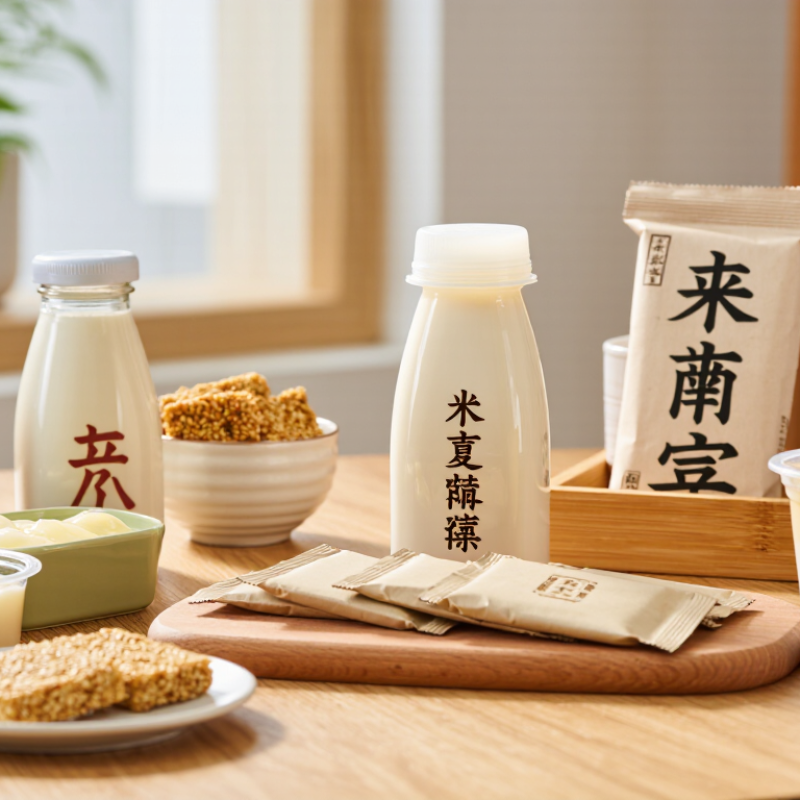
Comfortable taste products are foods and drinks with flavors people can recognize, enjoy, and return to without hesitation. They may offer gentle sweetness, familiar savory notes, mild acidity, or a smooth texture. Think of a warm grain drink with a soft roasted aroma, or a fruit snack that tastes bright without an aggressive sour finish. Comfort does not mean bland. It means the flavor feels balanced for its intended audience and occasion.
Taste is a practical buying factor, not just a sensory detail. In the International Food Information Council’s 2024 Food & Health Survey, 85% of respondents said taste influenced their food and beverage purchases. For global buyers, this makes local testing essential: a sweetness level welcomed in one market may feel excessive elsewhere. Product teams can assess aroma, aftertaste, texture, and flavor intensity with small, diverse tasting panels. Keep notes specific. “Too heavy” is less useful than “lingering sweetness after three sips.” Familiarity can also become a limitation. A safe flavor may win a first purchase, yet offer little reason to buy again. That trade-off deserves honest testing.
Key Product Categories and Their Flavor Profiles
2026 Best Comfortable Taste Products for Global Buyers?
Comfortable taste means familiar, balanced, and easy to accept across markets. The 2024 International Food Information Council Food & Health Survey found that 84% of consumers consider taste important when choosing food. Price followed at 71%, while healthfulness reached 62%. These figures suggest a practical product direction: flavor must lead, but value and nutrition cannot disappear.
Key categories include snacks, ready meals, beverages, sauces, and plant-based foods. For snacks, roasted grain, light cheese, cocoa, and gentle spice profiles feel recognizable. Ready meals often perform better with savory broth, garlic, onion, and moderate pepper.
Beverages can use citrus, peach, berry, or lightly sweet tea notes. In plant-based products, mushroom, sesame, and caramelized onion may soften unfamiliar ingredients. Mintel’s Global Food and Drink Trends research repeatedly highlights consumer interest in familiar comfort, while Innova Market Insights tracks growing demand for regional and culturally inspired flavors.
Portion size matters too. A mild first bite can build trust.
Not every market wants less flavor.
Buyers should test sweetness, saltiness, aroma, and aftertaste with local panels. A flavor that seems “neutral” in one country may feel bland elsewhere. This is where many product teams make a quiet mistake: they standardize too early. Small regional adjustments may improve acceptance, even when the ingredient list stays unchanged. Report findings guide decisions, but direct tasting remains essential.
How to Evaluate Comfort, Quality, and Consumer Appeal
2026 Best Comfortable Taste Products for Global Buyers?
How to Evaluate Comfort, Quality, and Consumer Appeal
Comfort starts with a familiar sensory experience, not excessive sweetness or heavy seasoning. The 2024 IFIC Food & Health Survey found that 84% of Americans ranked taste as a key food-choice factor. This figure shows why flavor must lead product evaluation. Yet comfort differs across regions. A mild vanilla profile may feel soothing in one market, but flat in another. Buyers should test aroma, first taste, texture, aftertaste, and serving temperature. Taste is personal.
Quality requires measurable controls. Sensory panels can score consistency, while laboratory checks can examine moisture, acidity, allergens, and shelf stability. ISO 13299:2016 provides a recognized framework for sensory profiling. The 2024 McKinsey Future of Wellness report valued the global wellness market at about 1.8 trillion dollars, reflecting stronger demand for products that support daily wellbeing. However, “healthy” claims cannot replace enjoyable taste. Product teams should compare consumer ratings with repeat-purchase intent, not only initial approval. A sample may win attention and still fail at home. Packaging, portion size, preparation time, and price also influence comfort. Global buyers need local trials, transparent evidence, and careful reformulation when feedback conflicts. Perfect comfort is unlikely. Reliable improvement is realistic.
Regional Preferences Among Global Buyers
2026 Best Comfortable Taste Products for Global Buyers?
Regional Preferences Among Global Buyers
Comfortable taste means familiar, balanced, and easy to enjoy repeatedly. Global buyers rarely choose products by sweetness alone. They consider texture, aroma, serving habits, and local food traditions. In East Asia, many consumers often prefer gentle sweetness, clean aromas, and smooth textures. A lightly roasted note may feel more acceptable than a heavy sugary finish. In Southeast Asia, bright fruit, coconut, citrus, and mild spice can create a more recognizable profile.
Preferences also change across Europe. Many buyers look for restrained sweetness, clear ingredients, and a natural aftertaste. In Northern Europe, creamy or grain-based notes may support a sense of everyday comfort. In the Middle East, warm flavors such as dates, sesame, and cardamom can feel familiar, especially when balanced carefully. North American buyers may accept stronger flavors, but convenience and consistent quality still influence repeat purchases.
These patterns guide product testing, not fixed rules. Age, climate, income, health goals, and family habits can shift preferences within one country. A practical development process uses local tasting panels, small batch trials, and clear feedback records. We have found that a product described as “mild” may taste bland in one market and perfectly balanced in another. That mistake is useful. It shows why translation alone cannot replace regional research. Texture can also surprise us. A thick product may suggest richness in one region, yet feel too heavy elsewhere. Manufacturers should adjust sweetness, aroma, portion size, and texture together, while keeping ingredient information reliable and easy to understand.
2026 Best Comfortable-Taste Products for Global Buyers
Regional Preferences Among Global Buyers
The chart presents a directional 0–100 product-development relevance index based on documented regional culinary traditions and commonly observed flavor preferences. Higher values indicate that the flavor profile is more likely to support comfortable, familiar taste positioning in that region. The index is not a market-share or consumer-survey percentage.
How to Choose the Best Products for Different Markets
2026 Best Comfortable Taste Products for Global Buyers
Choosing a comfortable-taste product starts with the market, not the factory. Consumers in different regions may prefer creamy, mild, sour, roasted, or lightly sweet profiles. A flavor that feels familiar in Seoul may seem weak in Mexico. Local testing is essential. Use small sample packs, simple score cards, and feedback from real buyers.
Health expectations also influence taste decisions. The World Health Organization recommends keeping free sugars below 10% of daily energy intake, with further benefits below 5%. This makes balanced sweetness more valuable than extreme sweetness. McKinsey’s 2024 Future of Wellness report estimates the global wellness market at about 1.8 trillion dollars annually. Buyers increasingly check ingredients, function, and sensory comfort together. Still, reports cannot replace tasting. A numerical preference score can hide texture problems, aftertaste, or poor preparation habits.
Tips:
Test three flavor strengths in each target market. Record sweetness, aroma, texture, package size, and serving temperature. Ask buyers what they would change, not only whether they like it. Check local labeling rules before commercial production. Keep a culturally neutral base, then adjust salt, acidity, sweetness, or spice carefully. A pilot batch may fail. That is useful evidence, not wasted money. WHO guidance should support formulation, while local consumer data should guide the final taste.